- What is workation: meaning
- 8 benefits of workation
- 1. Increased productivity
- 2. Improved employee health
- 3. Learn about a new culture
- 4. Increased job satisfaction
- 5. Higher employee retention
- 6. Attract a high level of talent
- 7. Better job performance
- 8. More cohesive workplace culture
- Is workation a good idea?
- Conclusion
- Frequently Asked Questions
- What is workation?
- What are the benefits of workation for employees?
- How can workation enhance workplace culture?
- What should companies consider before implementing workation policies?
- How does workation affect employee retention?
Workation has emerged as a popular trend among millennials and Gen Z, blending work and leisure into a seamless experience. Gaining traction after the pandemic, this concept allows individuals to embrace the flexibility of remote work while fostering a sense of community and support. It’s the perfect way to enjoy the benefits of both productivity and relaxation!
For companies, workation increases productivity. For employees, workation promotes a healthier work-life balance.
In this article, we’ll cover 8 benefits of workation to see how it can help your organization.
What is workation: meaning
Workation is a portmanteau of two words, one very popular (vacation) and one very unpopular (work). Work vacation = workation.
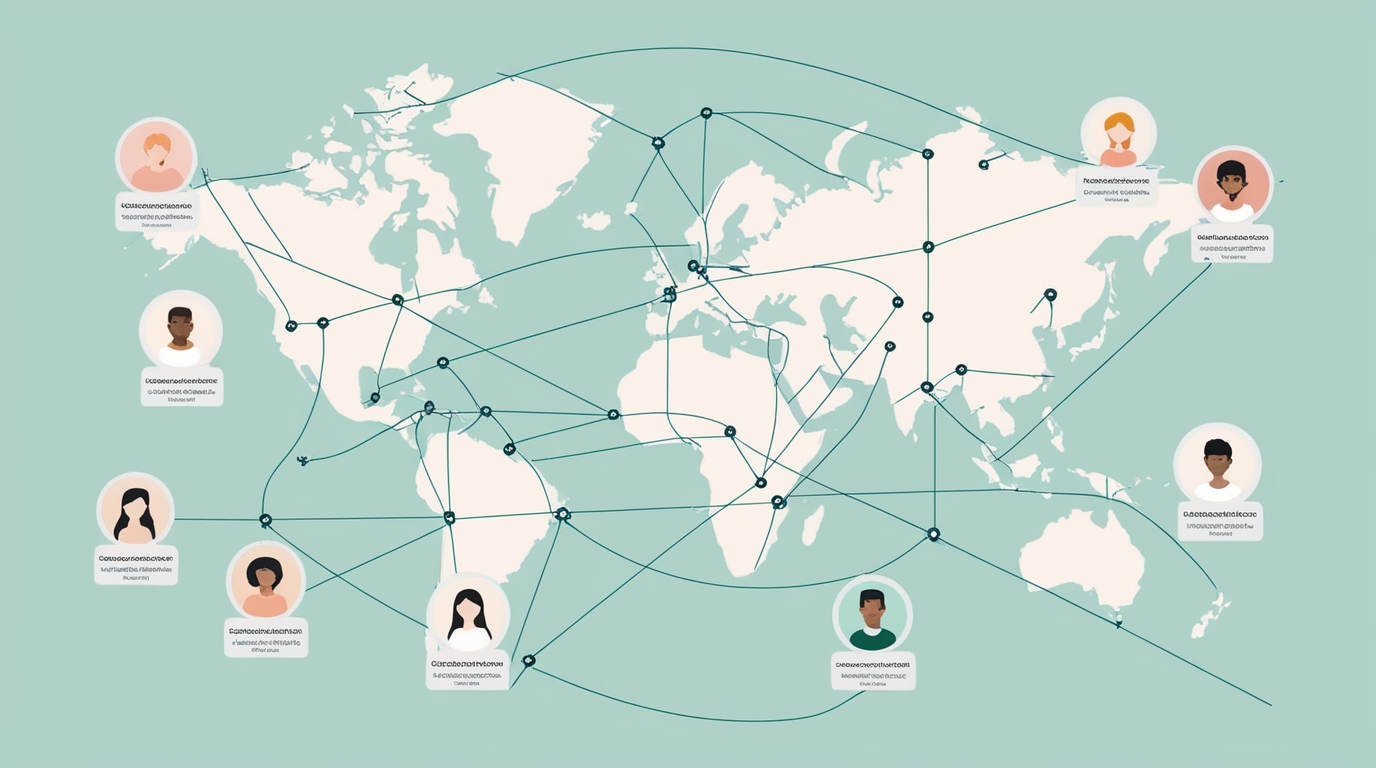
How is a workation achievable? Many people can work remotely, managing urgent tasks and participating in crucial meetings all while savoring a well-deserved break in a new and exciting location.
A workation blends the benefits of travel with remote work, but it stands apart due to one key factor: expectations. While remote workers are typically required to be available Monday through Friday during standard business hours (or according to prior agreements), those on a workation have more flexibility. They generally need to complete a set number of hours each day, often with the freedom to choose when to log in or respond to urgent requests from select colleagues.
Additionally, employees enjoy greater flexibility in defining the boundaries of their responsibilities during a workation. However, once the workation concludes, they will revert to their standard work hours, whether that entails fully remote work, a hybrid model, or a traditional in-office role.
8 benefits of workation
If you’re accustomed to a traditional work environment, the concept of a workation might seem unusual at first. However, this innovative approach offers a wealth of advantages. Here are eight key benefits that both you and your employees can eagerly anticipate.
1. Increased productivity
Research indicates that both rest and play are vital not only for children but for adults as well. The concept of a workation offers a promising solution for achieving a healthier work-life balance, allowing employees the flexibility to choose when to unwind and enjoy leisure activities. As a result, workations can rejuvenate employees, leading to increased energy and efficiency in their roles. Well-rested individuals are more engaged and productive, positively impacting the workplace.
Adequate rest significantly enhances problem-solving abilities and teamwork. Both anecdotal and scientific evidence indicate that well-rested individuals are generally more cooperative, less irritable, and attentive to details. As a result, there is a reduction in time spent resolving conflicts, avoiding unnecessary tasks, and correcting easily preventable errors. With elevated moods, employees can concentrate on optimizing organizational processes and advancing the company’s mission.
2. Improved employee health
Employees often find it challenging to take a complete vacation due to organizational demands or personal circumstances. The pressure of coming back to a flooded inbox or the distraction of incessant work notifications can overshadow the relaxation they sought, turning their time off into a source of stress rather than rejuvenation.
A workation can serve as a refreshing break, helping to combat employee burnout. It not only promotes mental well-being but also boosts physical health. By allowing employees to work in a soothing and unfamiliar setting—like a scenic outdoor space or a cozy hotel—workations provide a unique opportunity for rejuvenation. During downtime, employees can explore new cities, enjoy sightseeing, or take a refreshing swim at the beach. These activities not only reset the mind and body but also significantly enhance emotional health.
3. Learn about a new culture
While employees can technically work from home, the true spirit of a workation invites them to venture out and discover new experiences. Some may choose to embrace a fresh hobby, such as yoga or hiking, while others might prefer to unwind at a beach or poolside. Why not take it a step further and explore a new country? The world is full of opportunities waiting to be uncovered!
Research indicates that immersing oneself in a new culture enhances interpersonal relationships and fosters greater social responsibility. Additionally, exposure to unfamiliar customs broadens our perspectives, introducing innovative methods and ideas. As a result, employees who experience cultural diversity are likely to bring back fresh, creative solutions and varied approaches to challenges. Ultimately, investing in employee development enriches your organization as a whole.
Enhance your employees’ language skills with your company’s language training programs during workations! This is an excellent chance for them to practice and refine their abilities while enjoying a change of scenery. Unsure of the ideal destination? Explore our WORKATION Index for top cities that are perfect for remote work.
HubSpot Call-to-Action Code [if lte IE 8]>
<div id=”hs-cta-ie-element”></div>
<![endif] end HubSpot Call-to-Action Code
4. Increased job satisfaction
Completing a challenging task often brings a sense of satisfaction, but skipping breaks can prevent individuals, especially employees, from fully enjoying this mood lift. In the case of long-term projects, the absence of regular pauses may leave employees feeling unproductive by the end of the day, which can contribute to increased stress and a quicker path to burnout. Taking breaks is essential for maintaining motivation and well-being.
A workation offers employees the unique opportunity to tackle their tasks while taking a well-deserved break from traditional work settings. This arrangement fosters natural project milestones, giving team members the chance to reflect on their contributions and the value they bring. Additionally, workations highlight the supportive culture of a company—an experience that not all organizations provide, making it a privilege worth appreciating.
5. Higher employee retention
When employees experience greater job satisfaction, it significantly boosts retention rates. When individuals feel valued and impactful in their roles, they are more inclined to remain with the company. However, some may encounter difficult dynamics within their teams or policies that don’t resonate with them. As time passes, these employees often become more vocal about their concerns and frustrations. While constructive feedback is beneficial, a pervasive culture of negativity can foster widespread dissatisfaction and diminish overall motivation.
At times, taking a step back can be the key to helping employees overcome conflicts with colleagues or adapt to shifts in the company’s direction. In other instances, a workation can provide clarity on individual roles within a team, paving the way for more productive discussions between employees and management about future strategies.
6. Attract a high level of talent
Successfully navigating a workation requires a blend of patience, organization, flexibility, and a collaborative spirit. Balancing professional responsibilities with leisure can be challenging, but the rewards are worth it. When companies promote workations as a perk, they attract motivated employees eager to embrace this unique opportunity.
Employees who actively pursue workations and have a track record of successful experiences show a strong sense of initiative. They eagerly embrace new opportunities, whether it’s exploring a vibrant city, trying out thrilling sports like skiing or water activities, or immersing themselves in an unfamiliar setting. This adventurous spirit reflects their open-mindedness, creativity, and adaptability—essential skills that drive effective problem-solving and foster innovation.
7. Better job performance
When employees experience heightened job satisfaction and gain insights from seasoned colleagues, their overall performance often improves. This collaborative environment fosters a culture where coworkers support one another, raising the bar for everyone involved.
Embracing a workation culture can greatly benefit your company by encouraging employees to adopt a mindset of self-sufficiency, collaboration, and proactive problem-solving, even when they are not physically on a workation. This approach empowers individuals to prioritize their tasks effectively and make informed decisions. When a coworker or team leader is on a workation, it also prompts others to recognize when to step in and support, even if the task falls outside their usual responsibilities. This dynamic fosters a vibrant learning culture within your workplace, enhancing teamwork and adaptability.
HubSpot Call-to-Action Code [if lte IE 8]>
<div id=”hs-cta-ie-element”></div>
<![endif] end HubSpot Call-to-Action Code
8. More cohesive workplace culture
In the era of remote and hybrid work, employees often face challenges in building connections. Enter workations: these unique opportunities allow team members to extend their work hours in a relaxed setting, fostering meaningful interactions without the pressure of tight deadlines. This laid-back environment can help colleagues bond and deepen their relationships, ultimately enhancing teamwork and collaboration.
In a perfect scenario, two colleagues on a workation would maintain a casual call to discuss their personal lives, fostering stronger connections. However, given our hectic schedules, this is often unlikely—and that’s perfectly fine. More commonly, employees reconnect after their workation, sharing experiences and insights on how to make the most of their time away. They might swap effective workation tips or express appreciation to teammates for their flexibility during their partial absence.
The primary cultural difference between a workation and a vacation lies in the equitable nature of workations. Unlike traditional vacations, where employees may have varying amounts of time off based on their role or tenure, workations can be standardized across the board. By implementing clear policies, all employees can enjoy the same workation opportunities. While various factors influence how and where employees can take a workation, the requirement to work while still receiving a paycheck creates a more level playing field compared to conventional vacation time or paid time off (PTO).
Is workation a good idea?
Having explored the numerous advantages of workations, it’s time to delve into a crucial question: Should your company embrace workations? What potential downsides should you consider?
Many employers worry that a “workation” might devolve into a paid vacation with minimal work involved. However, companies that have implemented unlimited vacation policies—often referred to as unlimited PTO—have discovered a surprising trend: employees typically take fewer days off compared to those on conventional PTO plans. This suggests that when given the freedom, most workers remain responsible and dedicated rather than taking advantage of the system.
Ultimately, the choice of whether to implement workations rests with your organization. A great way to start is by piloting a workation program. Set clear guidelines on when and how employees should fulfill their responsibilities during this time. For instance, you might require attendance at specific meetings or limit the duration of workations to one week. By observing how this initiative works within your company, you can adjust the program or scale it up according to your needs.
Consider rewarding your most motivated and high-performing employees with a workation. Since they have demonstrated exceptional time and task management skills, you can grant them greater flexibility in how they structure their workation experience.
Conclusion
A ‘workation’ is more than just working while on vacation; it’s the perfect blend of both worlds. Striking a 50-50 balance, a workation allows employees to be productive while enjoying a refreshing getaway, benefiting both individuals and their companies.
Workation offers employees a unique opportunity to recharge while ensuring that operations continue seamlessly across teams and departments. This innovative approach not only fosters personal growth by enhancing skills such as creativity, open-mindedness, time management, and efficiency but also enriches their professional lives. Additionally, workations promote workplace equity by providing a shared experience that encourages coworkers to connect, appreciate each other, and collaborate effectively.
The exciting news is that exploring workations comes with no significant downsides. Each company has its unique culture, allowing you to tailor a workation program that suits both your needs and those of your employees. By focusing on mindfulness and collaboration, your organization can profoundly impact your team’s personal and professional lives, fostering creativity, dynamism, and cohesion among team members.
Frequently Asked Questions
What is workation?
Workation is a blend of work and vacation, allowing individuals to work remotely while enjoying leisure activities in a new location.
What are the benefits of workation for employees?
Workation promotes increased productivity, improved employee health, greater job satisfaction, and better work-life balance.
How can workation enhance workplace culture?
Workation fosters meaningful interactions among team members, helping them bond and deepen relationships in a relaxed setting.
What should companies consider before implementing workation policies?
Companies should pilot a workation program with clear guidelines on responsibilities and observe how it works within their organization.
How does workation affect employee retention?
Workation can boost employee retention by increasing job satisfaction and making employees feel valued and impactful in their roles.