- 1. Start preparing early
- 2. Understand the visa process
- 3. Learn from people who already live abroad
- 4. Take online language classes
- 5. Get your documents in order
- 6. Figure out your banking situation
- 7. Learn about the healthcare system
- 8. Complete a language certification
- 9. Secure a job
- 10. Research your tax obligations
- 11. Find housing
- 12. Settle any other affairs in your home country
- 13. Consume local media
- 14. Find the best apps for your new home
- 15. Join a language exchange program
- 16. Connect with locals
- Start taking 1-on-1 language lessons to prepare for moving abroad
- Frequently Asked Questions
- What are the benefits of relocating to another country?
- How should I prepare financially before moving abroad?
- Why is understanding the visa process important?
- What role do online expat communities play in preparing for a move?
- How can I enhance my language skills before moving?
Picture this: you’re carefully packing your belongings into a suitcase, getting ready to board a plane—not just for a vacation, but to embark on an exciting new journey in a foreign land. It’s the beginning of a thrilling new chapter in your life!
Have you ever dreamed of living in a different country? You’re in good company! The trend of moving abroad is on the rise, with the United Nations reporting that in 2019, there were over 270 million migrants globally. This marks an impressive increase of more than 23% since 2010, highlighting a growing desire for international experiences.
Relocating to another country comes with numerous benefits. A 2019 survey of more than 18,000 professionals revealed that moving abroad could boost your income by as much as 35%. In certain markets, this increase can soar to an impressive 51%!
Other benefits of moving to another country include:
- Finding more job opportunities
- Expanding your professional network
- Gaining unique work experience
- Working with more diverse teams
- Discovering new cultures
- Learning more about your industry in an international setting
Planning to relocate to another country? It’s essential to prepare thoroughly in advance to keep stress at bay. By investing time in your preparations, you can sidestep potential pitfalls—such as missing documents or surprising cultural differences—that could turn your dream of living overseas into a frustrating experience.
1. Start preparing early
Relocating to a foreign country is a significant life choice, and preparation is key! Whether you’re seeking enhanced career prospects or aiming to create a better life for your family, laying the groundwork for your move can set you on the path to success from the very beginning.
“Relocating to another country often comes with hidden costs that can surprise many,” explains Guy Sharp, a relocation expert from Andorra Guides. “While most people plan for the obvious expenses like moving logistics and residency applications, it’s crucial to also factor in less obvious costs such as international health insurance and import fees. These additional expenses can make long-term or permanent moves significantly more expensive than anticipated.”
When you’re ready to embark on an adventure abroad, the first thing you’ll want to do is bolster your savings. Begin by investigating the cost of living in your new destination, as well as any anticipated expenses related to your international move, including:
- Visa application
- Airfare and other transportation
- Shipping costs
- Rent, including security deposits and other fees
- Living expenses, like food, utilities, and local transportation
- Healthcare and insurance
- Medical exams
- Pet-related expenses
- Emergency fund
Develop a budget grounded in thorough research, and aim to save at least six months’ worth of living expenses. This financial cushion will provide you with stability as you search for a job or navigate any unforeseen circumstances.
2. Understand the visa process
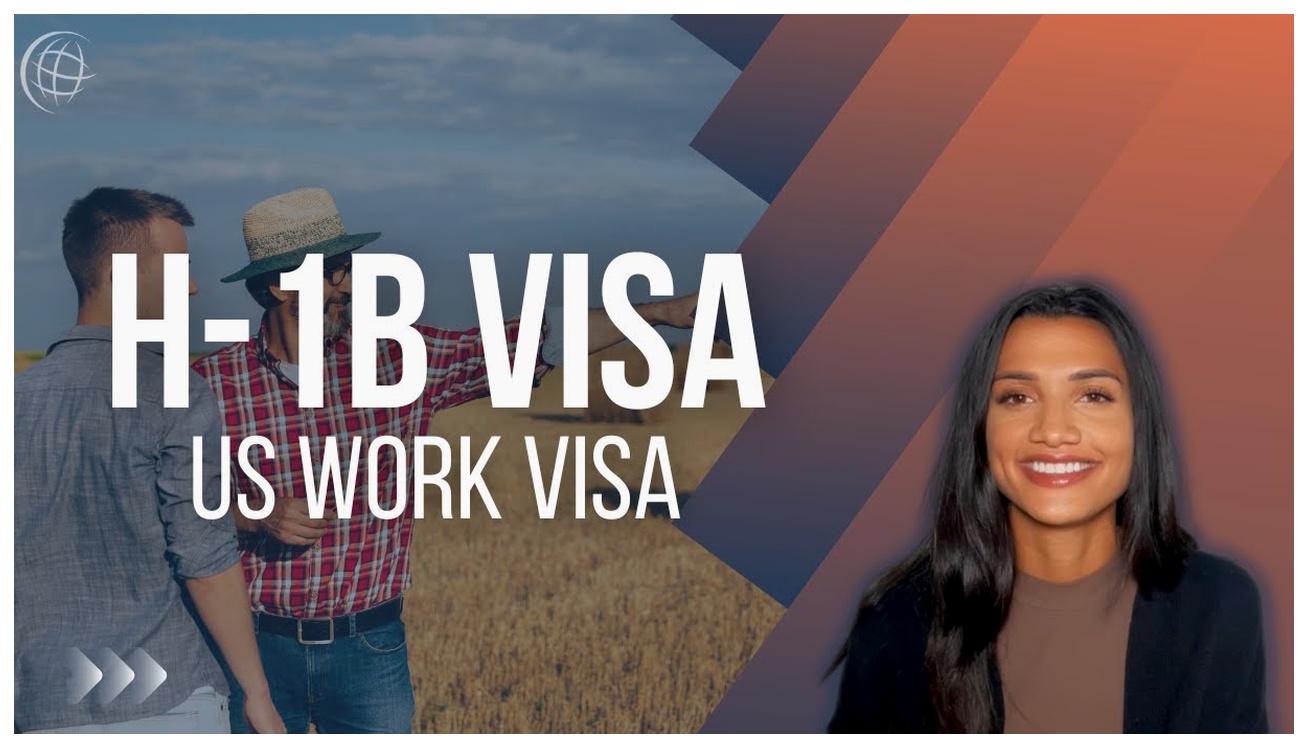
Securing employment abroad typically requires a work visa. More crucially, lacking the appropriate visa can lead to serious consequences: you might be turned away at the border, face difficulties re-entering your home country if you leave, or even risk a multi-year ban on returning.
To steer clear of common challenges, it’s crucial to thoroughly investigate the costs, anticipated timelines, and visa requirements for your plans. If you’re considering an extended stay, make sure your visa is valid for at least a year. Additionally, check that your visa permits you to work in the country, rather than just allowing for study or travel.
“I relocated to Denmark with a work permit that restricts me to my designated position,” explains Ilam Padmanabhan, a financial services expert with experience in five different countries. “However, this visa also grants me the flexibility to remain in Denmark and seek new employment if I happen to lose my current role.”
A growing number of countries are now providing digital nomad visas, enabling you to work while exploring new destinations for periods ranging from a few months to two years. This opportunity is perfect for those looking to experience life in a new place before making a long-term commitment to relocating.
A great strategy to consider is seeking a job that offers work visa sponsorship. Having a sponsor can simplify the often complicated visa process, especially when language barriers may add to the challenges.
3. Learn from people who already live abroad
Living in a foreign country comes with a wealth of practical knowledge to grasp, from managing bills and locating emergency services like plumbers, to navigating local customs and social interactions. Ryan Walker, a seasoned expat with over ten years of experience in Hong Kong and Tokyo, emphasizes the importance of connecting with those already settled in your new home. “Experienced expats can offer invaluable insights from their own journeys and are often eager to help newcomers,” he notes.
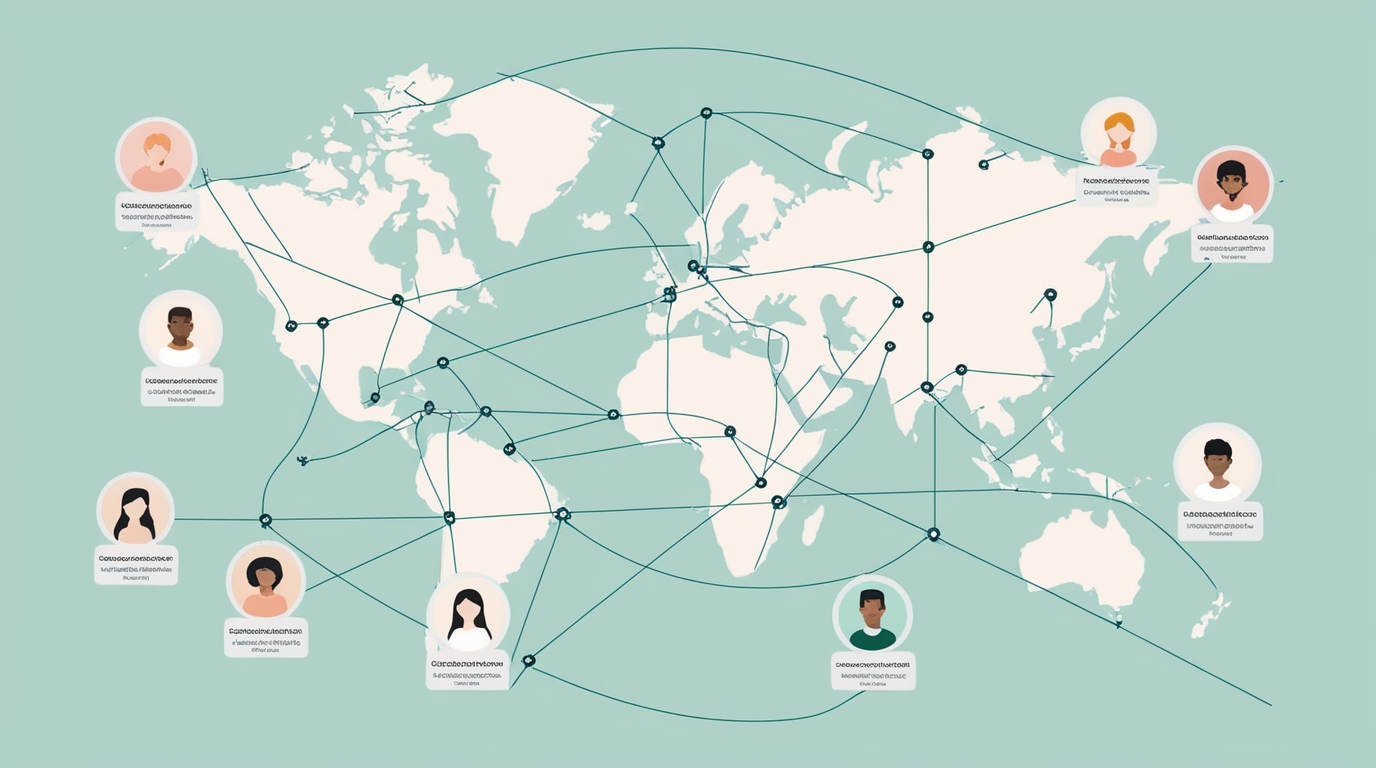
You don’t need to wait until you relocate to start connecting with fellow expats. There are hundreds, if not thousands, of online communities ready to help you get ready for your adventure abroad. Explore platforms like Facebook, Reddit, Slack, and Discord to discover groups focused on your destination country or city. Here are a few examples to get you started:
- r/IWantOut: Reddit’s largest expatriate community with over two million members.
- r/ExpatFIRE: A Reddit community for individuals seeking financial independence and early retirement by relocating overseas.
- Nomad List: A global community on Slack for digital nomads who travel while working remotely.
- Expats in the Netherlands: A Discord server for both expats and locals who live in the Netherlands.
- InterNations: The largest global community for expats, with groups in over 400 cities.
- Expats in Mexico: A Facebook group for anyone interested in visiting or living in Mexico.
Joining an online expat group opens the door to a wealth of knowledge about cultural norms, social events, and intriguing local laws and customs that might otherwise remain a mystery. It’s also a fantastic platform to pose questions and seek advice from fellow expats, providing insights that go beyond what typical online research can offer.
Peter Lucas, owner of Relocate to Andorra, emphasizes the wealth of knowledge found within these communities: “They are treasure troves of insights about life in your new country. Not only will you gain invaluable advice, but you might also forge friendships that evolve into a nurturing social network once you settle in.”

4. Take online language classes
After choosing your travel destination, dive into the local language right away! With a wealth of apps and websites available, you can effortlessly begin your language learning journey from the comfort of your home.
“Language is crucial for success and effective communication,” emphasizes Dennis Brown, a software engineer from the U.S. with experience living in Japan and Thailand. “Learning even a few local phrases can help you forge connections and leave a positive impression on locals. So why not download a language app and start your journey today?”
Mastering the local language goes beyond building friendships; it’s essential for achieving professional success. Imagine working for a company with branches or partners in your desired country. By speaking the local language, you enhance your job prospects and may even open the door to promotions!
If you’re looking to effectively use a new language in a professional environment, private tutoring is an excellent choice. At LingualNeeds, our online business English tutors provide tailored one-on-one sessions that cater to your specific language level and objectives. This personalized approach accelerates your learning, ensuring you’re equipped to read, write, and communicate confidently in the workplace.
Learn how Marc relocated from Europe to the United States by learning English with a private tutor from LingualNeeds.
5. Get your documents in order
While the thrill of embarking on a new adventure can easily overshadow the details, getting your documents in order beforehand is crucial for a seamless transition. Taking the time to prepare early will save you from the stress of hunting down essential paperwork at the last minute.
When preparing for your move abroad, gather essential legal, medical, financial, and educational documents. It’s wise to have two to five copies of each document, both in physical and digital formats. To create digital copies, use free scanning apps such as Adobe Scan or the Notes app on iOS. Having these documents readily available will streamline your visa, residency, or housing applications.
Here’s a list to help you get started:
- Birth certificate
- Passport
- Visa
- Medical records
- Marriage certificate
- Divorce papers
- Child custody papers
- International health insurance card
- Your children’s school records
- Language proficiency certificate
- Bank statements
- Paystubs
- Diploma
When you travel, always keep important documents in your carry-on luggage rather than shipping them with your belongings. This ensures they are easily accessible when you need them. After you’ve arrived and settled into your new home, make sure to store these crucial papers in a safe spot, such as a dedicated binder or a filing cabinet, to keep them secure.
6. Figure out your banking situation
When you move abroad and keep a bank account in your home country, you may encounter high foreign transaction fees and unfavorable exchange rates that can add up quickly.
A straightforward approach is to open a bank account in each country where you reside. However, this can be challenging, or even unfeasible, for foreigners due to varying banking regulations in different nations.
Consider negotiating a travel debit card with your bank to save on international fees. Katie Caf, a travel writer who explored the globe for two years before settling in Bali, Indonesia, shares her experience with Bank of America. “They had a partnership with international banks worldwide, which meant I could withdraw cash from their partner ATMs without incurring any fees. It felt just like using an ATM back home—my account was charged the same way for cash in a foreign currency!”
She recommends exploring innovative financial services such as Wise, which provides multi-currency debit accounts tailored for travelers, expatriates, and digital nomads. This platform makes managing money across different currencies more convenient and efficient for those constantly on the move.
Monzo is a travel-friendly bank card designed for residents of the United Kingdom. It enables you to make payments in any currency and withdraw up to £500 in cash without incurring any fees, making it a convenient choice for your international adventures.
Before you embark on your journey, make sure to thoroughly research and establish your new bank account from home. Additionally, reach out to seasoned expats in your destination country for valuable recommendations that can guide your decision.
7. Learn about the healthcare system
Each nation boasts a unique healthcare system, making it essential to prepare in advance. Understanding the specifics can help you anticipate what to expect, particularly if you find yourself needing to purchase private health insurance.
“To navigate the healthcare system effectively, Sharp suggests exploring official government websites, reaching out to relocation experts, and connecting with expats via social media. It’s crucial to grasp your responsibilities as an expat, plan your healthcare budget, and ensure that essential medical documents—like immunization records and insurance policies—are readily accessible when needed.”
8. Complete a language certification
Obtaining an official language certification serves as tangible evidence of your language proficiency to prospective employers, demonstrating your ability to communicate effectively in a professional setting. This credential is especially advantageous in careers that rely heavily on communication, like those in the legal, medical, or technical sectors.
Plus, a language certification is often required for permanent residency or citizenship.
“Keep an eye out for complimentary language classes designed for expats—countries like Denmark provide these to help with integration,” advises Padmanabhan. “I took advantage of free Danish lessons for three years and recently achieved my permanent residency.”
If you’re just getting started, consider partnering with a private tutor who specializes in language certification exam preparation. Their personalized guidance can help you navigate the exam format effectively. Additionally, enhance your learning experience by utilizing self-study resources such as online courses and practice exams.
9. Secure a job
Securing a job before relocating to a new country can significantly simplify your transition. It not only helps you find a suitable place to live but also opens doors to meeting new people and building a social network more easily.
To successfully find international job openings, it’s essential to explore the right channels. International job boards serve a global audience and frequently showcase listings from multinational companies that are eager to hire talent from across the globe. This targeted approach can significantly enhance your job search experience.
Here are some of the best international job boards so you can start looking for roles abroad:
- Indeed Worldwide
- GoAbroad
- Expat
- We Work Remotely
As an added advantage, companies that engage in global hiring are often more willing to provide work visa sponsorships. This support can simplify the process of obtaining a work permit and help you secure residency more easily.
Check out this guide to the cities with the best working experience for non-native employees.
10. Research your tax obligations
After choosing your destination country, it’s essential to explore the details of its tax system. Thorough research can help you steer clear of unforeseen expenses and may even reveal valuable tax incentives that can benefit you.
Europe is often associated with higher tax rates, but several countries within the region provide attractive low-tax or even no-tax initiatives aimed at drawing in high-income individuals. These strategies not only enhance their appeal but also contribute significantly to the growth of local economies.
The OECD Tax Database offers a wealth of information on tax rates across much of the Western world, encompassing regions such as North America, Australia, and Western Europe.
If you own assets in your home country, such as a rental property, you will likely still be responsible for paying income and property taxes. For example, if you have assets in the U.K., it’s essential to report them through a self-assessment tax return to steer clear of any penalties. Staying on top of these obligations can save you from unexpected financial repercussions.
Understanding international tax laws can be daunting, but seeking expert advice can simplify the process. As Padmanabhan points out, “A tax professional can help you navigate double taxation agreements, tax treaties, and various elements that could impact your tax obligations.”
When contemplating a move from the U.S. to another country, it’s crucial to understand the implications of double taxation. Unlike many nations, the United States taxes its citizens based on their citizenship rather than their residence. This means that as a U.S. citizen, you’ll be responsible for paying taxes both in your new country of residence and to the U.S. government.
If you’re considering a long-term move overseas, you may be eligible for the Foreign Earned Income Exclusion. To qualify, you must demonstrate that you’ve spent at least 330 days living abroad within a consecutive 12-month timeframe.
11. Find housing
Begin your journey by diving into research on locating an apartment, condo, or house in your new country. Familiarize yourself with the necessary documents for renting or purchasing a home, understand the payment methods for your rent or mortgage, and know your rights as a tenant. This knowledge will streamline the housing process and make your transition much easier.
After years of exploring the vibrant landscapes of Thailand, Jarir Mallah made the country his long-term home. His top piece of advice for newcomers? Hold off on renting or purchasing property until you’ve actually arrived.
“Before committing to a contract or buying property, take the time to familiarize yourself with the city,” he advises. “Every neighborhood has its own character, and what you see online can be misleading. By exploring in person, you can discover better deals and enhance your negotiating power.”
Ensure you have arranged accommodation for at least a month upon your arrival. This will give you ample time to search for a long-term living situation without the pressure of immediate housing needs.
Consider booking a hotel for a short stay before transitioning to long-term accommodations such as Airbnb or Vrbo in your desired neighborhood or city. This approach allows you to immerse yourself in the local culture and environment, helping you determine if it’s the right place for you to call home.
12. Settle any other affairs in your home country
As the date of your move approaches, don’t forget to wrap up any loose ends back home.
One of the most important tasks will be addressing your current living situation. If you’re renting, simply allowing your lease to expire is straightforward. However, if you own your home, you’ll need to make a decision: should you sell it or consider renting it out?
Selling your property can provide you with additional funds for your move abroad. However, if you’re uncertain about staying in your new country long-term, renting out your home could offer a safety net in case things don’t go as planned. Keep in mind, though, that becoming an expat landlord involves its own set of responsibilities that you’ll need to manage.
Ultimately, this decision depends on your finances and the property ownership laws of your country.
Here are a few other tasks you should take care of before you leave:
- Settle any unpaid bills or debts.
- Maintain a local mailing address in your home country, like a friend or family member’s home.
- Arrange for mail forwarding to your new address.
- Cancel any subscriptions you can’t take with you.
- Set up your new cell phone provider.
Above all, take a moment to bid farewell to your family and friends! They’re likely aware of your upcoming move abroad, but it’s essential to share any important details, such as your travel itinerary and new address. Make the most of your time together before you embark on this exciting journey!
13. Consume local media
Familiarizing yourself with the everyday life in your new city can make your transition smoother. By staying updated with local news, you’ll be better equipped to plan your activities and steer clear of any unforeseen challenges.
Labor strikes can occasionally disrupt travel across Europe. During these events, public transportation such as buses, metros, and trains may face delays or cancellations, which could affect your plans. Additionally, if you’re preparing for a significant move, be aware that flights might also be delayed or canceled.
To keep yourself updated, make sure to follow prominent news outlets in your target country, all of which are easily found online. Local newspapers, radio stations, and news websites provide valuable insights into current events, giving you a real-time glimpse into your surroundings. Engaging with this content will enhance your appreciation of the societal and cultural intricacies of your new home.
Staying updated on local news is an excellent way to expand your vocabulary. To enhance your language immersion, try using these new words and phrases in conversations about current events and everyday life with locals.
14. Find the best apps for your new home
Don’t overlook the local apps available in your new country! Many nations offer unique tools for banking, payments, ride-sharing, food delivery, messaging, and even social networking. Exploring these apps can enhance your experience and make daily tasks more convenient.
“Every location has its own essential apps,” explains Brown. “For instance, if Uber isn’t available, what do locals use instead? How do they stay connected? You might discover entirely different platforms like LINE or WeChat that cater to their communication needs.”
Some of your existing apps may work abroad, so check to see if you can still use them.
15. Join a language exchange program
Language immersion is undeniably the most effective method for quickly enhancing your language skills, allowing you to seamlessly adjust to life in a new country.
Before your big move, immerse yourself in language learning through online exchange programs. These platforms allow you to connect with locals and practice speaking each other’s languages, helping you gain confidence in your skills. Plus, you’ll have the opportunity to forge new friendships, ensuring you have a friendly face waiting for you when you arrive!
After your move, seek out in-person language immersion programs. According to Lukas Van Vyve, founder of Effortless Conversations, “Language exchange events provide a unique opportunity to connect with fellow expats eager to learn the local language, while also engaging with locals interested in practicing a foreign language.”
Participating in a language exchange offers a fantastic opportunity to dive into local slang and idioms that traditional language courses often overlook. Plus, connecting with locals and seasoned expats provides valuable insights into the culture of your new surroundings, enriching your overall learning experience.
“When relocating to a vastly different culture, such as Japan, it’s essential to understand potential cultural missteps,” advises Brown, a former resident of Japan. “For instance, knowing when to take off your shoes, how to use gestures properly, and the differences between shaking hands and bowing can make a significant impact on your interactions.”
16. Connect with locals
Relocating to a new country is an exciting journey filled with opportunities, but it can also bring feelings of isolation. To navigate this transition successfully, it’s essential to build a strong support network of friends in your new surroundings.
“Don’t forget to connect with locals,” advises James Smith, an experienced traveler and founder of Travel-Lingual. “Their insights are crucial for truly grasping the nuances of your new environment.”
When moving to a new country, locals can be invaluable allies in navigating the challenges of settling in. Each country has its own distinct customs and intricate bureaucratic systems that can be overwhelming and time-consuming to grasp. Fortunately, locals are well-versed in these processes, from purchasing bus tickets to filling out government forms, making them essential resources for newcomers.
“While living in Italy, I faced the challenge of setting up broadband internet, which meant making numerous calls to customer support,” shares Van Vyve. “After spending hours trying to explain my situation, I finally asked an Italian friend for help. In just five minutes, the issue was resolved!”
Start taking 1-on-1 language lessons to prepare for moving abroad
As you’ve discovered, thorough preparation is key to easing your transition into life in a new country. By getting familiar with essential details like visa requirements and healthcare options, you can set a solid foundation. Embracing the thrill of diving into a new culture and learning the language adds to the adventure, making each step a significant move toward a fulfilling expat experience.
The secret to success lies in mastering the local language. When you become proficient, your daily interactions will flourish, paving the way for exciting professional opportunities and a richer appreciation of the culture around you.
Enter LingualNeeds, your go-to resource for language learning! With a vast selection of tutors, including specialized online business English instructors, you can effortlessly discover the perfect match to help you achieve your language aspirations.
Your private tutor will design a tailored learning plan that aligns with your specific language goals and proficiency level. Whether you’re starting from scratch or looking to refine your skills, personalized one-on-one lessons will accelerate your progress, giving you the confidence you need to thrive while living and working abroad.
Additionally, tutors are accessible across all time zones, allowing you to seamlessly fit language lessons into your hectic schedule.
Frequently Asked Questions
What are the benefits of relocating to another country?
Relocating can boost your income, provide more job opportunities, expand your professional network, and expose you to new cultures.
How should I prepare financially before moving abroad?
You should investigate the cost of living in your new destination and save at least six months’ worth of living expenses to provide financial stability.
Why is understanding the visa process important?
Securing the correct visa is crucial to avoid being turned away at the border or facing difficulties re-entering your home country.
What role do online expat communities play in preparing for a move?
Online expat communities offer valuable insights, advice, and support from those who have already navigated similar transitions.
How can I enhance my language skills before moving?
Taking online language classes and participating in language exchange programs can significantly improve your language skills before relocating.