- The importance of terms of endearment in Italian culture
- Cute Italian nicknames for family members
- Madre (mother):
- Padre (father):
- Sorella (sister):
- Fratello (brother):
- Bambini (children):
- Altri membri della famiglia (Other family members):
- Italian pet names for friends
- Lovely Italian nicknames for romantic partners
- Animal-inspired terms of endearment in Italian
- The do’s and don’ts of Italian terms of endearment
- Conclusions
- Frequently Asked Questions
- What are some common Italian terms of endearment for family members?
- How do Italians express affection in their language?
- What suffixes are used in Italian to create affectionate nicknames?
- What are some affectionate nicknames for romantic partners in Italian?
- What should be considered when using Italian terms of endearment?
Italy—a captivating land where the spirit of amore (love) resonates in lively piazzas and tranquil countryside. Here, love transcends mere atmosphere; it is woven into the very fabric of the Italian language. With its melodious tones and passionate phrases, Italian boasts a rich array of terms of endearment as inviting as the Mediterranean sun. Whether you’re a romantic, a cherished friend, or a loving parent, grasping these affectionate expressions can transform your Italian conversations into a heartfelt serenade.
In this guide, we delve into the essence of this beautiful love language, uncovering the vibrant array of Italian expressions filled with endearing words and charming nicknames for your beloved.
The importance of terms of endearment in Italian culture
Before we dive into the sea of Italian terms of endearment, let’s set the stage.
In Italy, endearing terms such as “caro” (dear) and “amore” (love) are woven into daily conversations rather than reserved for special moments. It’s common for Italians to greet friends with affectionate words like “bello” or “bella” (beautiful), and parents often refer to their children as “tesoro” (treasure) during casual chats. This charming use of language reflects the warmth and closeness inherent in Italian culture.
These heartfelt expressions reveal the warmth and generosity of Italians, making the country feel vibrant and inviting. When they share these phrases, it’s akin to wrapping someone in a comforting embrace, reflecting their love for connection and community.
Across Italy, from the majestic peaks of the Alps to the picturesque heel of the boot, each region boasts its unique take on endearing expressions. Yet, many of these charming terms are commonly found throughout the country, known as *vezzeggiativi* (pet names) and *nomignoli* (nicknames).
Italian offers a delightful array of pet names that can express affection for family, friends, and romantic partners. Join us as we explore some of the most popular and endearing terms of endearment!
Cute Italian nicknames for family members
Family serves as a cornerstone of Italian culture, which is why there are countless affectionate terms used to refer to relatives. This rich vocabulary reflects the deep bonds and values that Italians place on family connections.
Words of endearment for family members often arise by adding a suffix to the noun that indicates the relationship. This clever linguistic twist allows us to express affection in a personalized way.
Suffixes such as -ino/-ina and -etto/etta serve as diminutives, conveying a sense of endearment and affection. These endings help express a cute and tender connection with someone, adding warmth to the relationship.
The suffix -otto/a presents a unique challenge when translating into English. It captures the idea of something being both small and large simultaneously—think of it as a “little big thing.” This playful suffix adds a charming and humorous flair to names, making them feel endearing and whimsical.
Let’s see how to use these suffixes and other affectionate nicknames for each family member:
Madre (mother):
- Mamma (mom).
- Mammina (mommy).
- Mami (mommy).
Padre (father):
- Papà (dad).
- Papino (daddy).
- Paparino (daddy).
- Papi (daddy).
- Babbo (dad, used only in some regions like Tuscany and Sardinia).
Sorella (sister):
- Sorellina (sis).
Fratello (brother):
- Fratellino (little brother).
Bambini (children):
- Bimbo/bimba (kiddo).
- Figliolo/figliola (son/daughter), but it’s a bit old-fashioned.
- Nipotino/nipotina (grandson/granddaughter and nephew/niece; in Italian, there is no difference between grandparents’ grandchildren and uncles’ nephews and nieces).
Young children:
When it comes to young children, it’s quite common to use endearing and playful nicknames to express affection. Some popular examples include:
- Angioletto (little angel).
- Bambolotto/Bambolotta (little doll).
- Batuffolo (literally means wad, but it’s used like pumpkin or dumpling).
- Birichino/Birichina (cheeky boy, cheeky girl).
- Cocco di mamma (mama’s boy), cocca di mamma (mama’s girl).
- Coccolone/Coccolona (cuddly).
- Gioia (joy).
- Patatino/Patatina (little potato).
- Piccolino/Piccolina (little-little one).
- Piccino/Piccina (tiny).
- Polpetta (meatball).
- Puffo (smurf), puffetto/puffetta (smurfette).
- Stellina (little star).
Altri membri della famiglia (Other family members):
- Nonna (grandmother), nonnina (granma).
- Nonno (grandfather), nonnino (grandpa).
- Zia (aunt), zietta (auntie).
- Zio (uncle), zietto (sweet uncle).
- Cugina (feminine for cousin), cuginetta (little cousin).
- Cugino (masculine for cousin), cuginetto (little cousin).
Italian pet names for friends
In Italian culture, friendship encompasses a rich tapestry of emotions. From tenderness and sympathy to affection and admiration, the language reflects the deep bonds of camaraderie that define these connections.
Let’s review the most common nicknames for friends:
- Amo/Ama (short for amore, love). This is a slang word widely used among young people.
- Bello/Bella (beautiful).
- Caro/Cara (dear).
- Mitico/Mitica (legendary), even if it’s old-fashioned these days.
- Tesoro (meaning “treasure,” often used as “darling” or “sweetie”) is a term that traditionally has no feminine form. However, to honor gender identity, the feminine version “tesora” is increasingly used informally among friends.
Lovely Italian nicknames for romantic partners
Italian lovers often have a tender language filled with cute nicknames that echo their affection and intimacy.
Take, for instance, the Italian word “dolcezza,” meaning sweetness, which captures the joy and bliss experienced in the company of a loved one. Then there’s “cucciolo” or “cucciola,” reminiscent of a puppy, a term that conjures the innocence and playful spirit of young love. This affectionate nickname is typically reserved for cherished partners, evoking feelings of care and protectiveness. Here are some additional endearing nicknames for romantic partners:
- Amore (love).
- Amore mio (my love).
- Amore mio bellissimo (my beautiful love).
- Amore mio dolce (my sweet love).
- Cicci, ciccino/ciccina. These pet names are untranslatable into English!
- Cioccolatino (literally tiny chocolate, used as sugar boots).
- Cucciolotto/cucciolotta (little puppy).
- Cuore mio (my sweetheart).
- Luce dei miei occhi (light of my eyes).
- Piccolo/Piccola (my little one, my baby).
- Tesoro mio (my darling).
- Tatino/tatina, which is untranslatable into English.
- Trottolino/Trottolina; diminutive of spinning top, used as love toy or little buttercup.
- Vita mia (my life).
Animal-inspired terms of endearment in Italian
Italians have a charming way of expressing affection through animal-inspired terms. By combining animal names with playful diminutive suffixes, they craft endearing words for their loved ones, particularly children and romantic partners. Here are a few delightful examples:
- Cucciolo/cucciola (puppy).
- Cucciolotto/cucciolotta (little puppy).
- Gattino/gattina (kitten).
- Orsacchiotto/orsacchiotta (teddy bear).
- Paperotto/Paperotta (little duck).
- Passerotto/Passerotta (little sparrow).
- Pulce (flea).
- Pulcino/Pulcina (hatchling).
- Topolino/Topolina (little mouse). Topolino is also the name of Mickey Mouse in Italian!
The do’s and don’ts of Italian terms of endearment
While these lovely and affectionate words are beautiful, they come with unspoken rules.
Understanding the appropriate context for using certain terms is essential to prevent cultural misunderstandings. For example, while referring to someone as “gattino” (kitten) may be charming in a romantic relationship, it could lead to awkwardness if used to greet a colleague at the office coffee machine!
When referring to in-laws, daughters-in-law, and brothers-in-law, choosing the right nicknames is crucial. Consider the family dynamics and the mood of the gathering—this will guide you in deciding whether to use endearing nicknames or maintain a more formal tone.
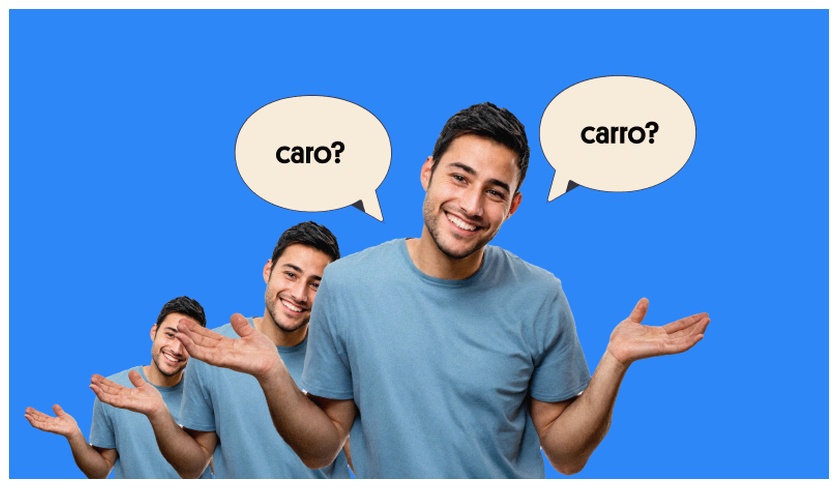
It’s important to remember that even the most dedicated Italian learners can make mistakes. For instance, saying “caro” (dear) instead of “carro” (cart) may lead to some light-hearted laughter instead of the heartfelt embrace you intended.
Don’t worry! Italians are not only passionate but also incredibly forgiving. They truly appreciate the effort you make to learn their beautiful language of love.
Conclusions
The language of love has many nuances in Italian!
In this article, we explored ways to enhance your conversations with loved ones, be it family, friends, or romantic partners. By diving into the rich Italian vocabulary of affection, you’ll discover numerous ways to express your emotions and strengthen your connections.
For instance, consider using diminutive suffixes like -ino or -ina to add a touch of warmth to your words. Additionally, feel free to incorporate affectionate nicknames when the situation and the person you’re addressing are appropriate for a more intimate tone.
Looking to master pet names in Italian? On LingualNeeds, you can discover online Italian lessons paired with top-notch native tutors who will guide you in choosing the perfect words. Dive in and explore our tips for selecting the tutor that best suits your needs!
Frequently Asked Questions
What are some common Italian terms of endearment for family members?
Common Italian terms of endearment for family members include ‘mamma’ (mom), ‘papà’ (dad), ‘sorellina’ (sis), and ‘bimbino’ (kiddo).
How do Italians express affection in their language?
Italians express affection using terms of endearment that are often woven into daily conversations, such as ‘caro’ (dear) and ‘amore’ (love).
What suffixes are used in Italian to create affectionate nicknames?
Suffixes like -ino/-ina and -etto/-etta are used in Italian to create diminutive forms that convey affection.
What are some affectionate nicknames for romantic partners in Italian?
Affectionate nicknames for romantic partners in Italian include ‘amore’ (love), ‘cuore mio’ (my sweetheart), and ‘tesoro mio’ (my darling).
What should be considered when using Italian terms of endearment?
When using Italian terms of endearment, it’s important to consider the context and relationship dynamics to avoid misunderstandings.