

- Animals in German: Talking about our furry and feathered friends
- Haustiere: Pets in German
- Top house pets
- Pet fish
- Pet birds
- Other popular pets
- Die Nutztiere: Farm animals in German
- Die Wildtiere: Wild animals in German
- Die Waldtiere: Woodland creatures
- Die Kriechtiere: Reptiles in German
- Die Meerestiere: Sea creatures in German
- Final tips for learning German animal names
- Frequently Asked Questions
- What is the significance of learning animal names in German?
- What are some common pets in German?
- What does ‘Nutztiere’ mean in German?
- How can I practice German animal names?
- What is the German expression for ‘to cry wolf’?
Are you excited to embark on a global adventure in learning German? Animals inhabit every corner of the earth and thrive in diverse climates, making them a universal theme. In fact, they often feature in everyday expressions and idioms. Understanding German animal names can enrich your conversations about travel and culture, enhancing your language skills as you explore the world.
Familiarizing yourself with animal names in German can be a great conversation starter with new acquaintances. Pets are a popular topic, and discussing them can help you connect with others easily.
Whether you’re interested in culture or conversation, German animal words will open up lots of possibilities for expression.
Animals in German: Talking about our furry and feathered friends
To help you understand the gender of German animal nouns, we’ve included their definite articles in the lists below. In some instances, you’ll see the literal translations of the German animal names in parentheses. Let’s embark on our journey starting in our own Wohnzimmer (living rooms) with Haustiere (pets).
Haustiere: Pets in German
In Germany, the term “Hund” is widely recognized, meaning “dog.” Interestingly, cats have taken the lead in popularity, outpacing dogs by about 30 percent among pet owners. The trend is even more pronounced in Switzerland, where German is the predominant language; here, cats are more than three times as popular as dogs.
Top house pets
- die Katze – female cat (also used generically for any cat)
- der Kater – tomcat/male cat
- das Kätzchen – kitten
- der Hund – dog
- die Hündin – female dog
- das Hündchen – puppy
Pet fish
- der Fisch – fish
- der Goldfisch – goldfish
- der Betta-Fisch – betta fish
- der Guppy – guppy
- der Skalar/der Segelflosser – angelfish
Zum Beispiel (for example):
- Goldfish coexist with angelfish in a fishbowl featuring a small castle decoration.
Pet birds
- der Sittich – parakeet/budgie
- der Fink – finch
- der Nymphensittich – cockatiel
- der Papagei – parrot
Other popular pets
- das Kaninchen – rabbit
- das Frettchen – ferret
- das Meerschweinchen – Guinea pig
Literally called “little sea swine,” the German name for guinea pig is a nod to the creature’s overseas origins.
- der Hamster – hamster
- die Wüstenspringmaus – gerbil
The German name for “gerbil” basically means “bouncing desert mouse.”
Die Nutztiere: Farm animals in German
In German, the term for farm animals is “Nutztiere,” which translates to “use animals.” This term comes from the prefix “Nutz,” derived from the verb “nutzen,” meaning “to use.” This reflects the practical role these animals play in agriculture.
These creatures are also called Bauernhoftiere, which means farm (yard) animals – or Hoftiere, for short.
Let’s start with swine.
- das Schwein – pig, swine, hog
- das Ferkel – piglet
- die Sau – sow, pig, wild boar
In Germany, the phrase “die Sau rauslassen” captures the idea of letting off steam, which literally translates to “letting the pig out.” This colorful expression reflects a sense of freedom and release. Another intriguing pig-related saying is “wie eine gestochene Sau bluten,” meaning “to bleed like a stuck pig,” which vividly illustrates extreme distress or suffering. These metaphors highlight the creative ways language can convey emotions and experiences.
- das Pferd – horse
- das Huhn – chicken, hen
- die Ente – duck
- die Gans – goose
The phrase ein komisches Huhn means “a strange character” – what we might call “an odd duck” in English.

- der Truthahn – turkey (cock)
- das Schaf – sheep
- der Ochs – ox
Much like in English, the plural of Ochs (ox) is Ochsen (oxen). The words in both languages are pronounced similarly.
- der Stier – steer
- der Bulle – bull
- die Kuh – cow
- der Esel – donkey
- die Ziege – goat, nanny goat
- der Ziegenbock – billy goat
- die Bergziege – mountain goat
Exercise caution when using the terms Schaf (sheep) or Esel (donkey) to refer to someone, as these words imply a lack of respect for their intelligence. Likewise, refrain from calling a woman Ziege (goat) or Kuh (cow), as these terms carry a similar derogatory connotation to calling someone a cow in English.
Speaking of cows, there are several cattle-related sayings in German.
- die Kuh vom Eis bringen – to save the day (to get the cow off the ice)
- “Wie die Kuh vorm neuen Tor dastehen – to be completely bewildered, akin to a cow standing confused before a new gate.”
- den Stier bei den Hörnern packen – to grab the bull by the horn
Die Wildtiere: Wild animals in German
When we think about das Tierreich (the animal kingdom), we often picture some of these magnificent beasts.
- der Löwe – lion
- der Tiger – tiger
- der Bär – bear
The German equivalent of “strong as an ox” is bärenstark (bear-strong).
- das Kamel – camel
- das Nashorn/das Rhinozeros – rhinoceros
Referring to someone as “Kamel” (camel) or “Rhinozeros” (rhino) implies that they are silly or not very bright. Interestingly, the alternative German term for rhino, “Nashorn,” translates directly to “nose horn,” which lacks the same playful insult. Thus, while it may not be offensive, it’s probably not the most flattering nickname either!
- das Erdferkel – aardvark (earth piglet)
- das Zebra – zebra
- das Flusspferd/das Nilpferd – hippopotamus
The hippo boasts two intriguing names in German! “Flusspferd” translates to “river horse,” while “Nilpferd,” meaning “Nile horse,” pays tribute to the Nile River Valley, a historic habitat for many hippos.
- der Elefant – elephant
In German, the expression “wie ein Elefant im Porzellanladen” translates to “like an elephant in a china shop.” This vivid phrase conveys the notion of someone acting clumsily or carelessly in a delicate situation, much like an elephant would in a room filled with fragile porcelain.
Die Waldtiere: Woodland creatures
These are the animals that scamper and scurry through forests, such as the Schwarzwald (Black Forest).
- das Eichhörnchen – squirrel
- der Hase – hare
- der Hirsch – stag
- das Reh – deer, roe deer
Scheu wie ein Reh sein means to be “as timid as a fawn.”
- die Eule – owl
- der Falke – falcon, hawk
- die Stockente – mallard duck
- der Luchs – lynx
The German way of saying “eagle-eyed” is Augen wie ein Luchs haben (to have eyes like a lynx).
- der Biber – beaver
- der Waschbär – raccoon
Despite their grubby reputation for hanging around trash cans, raccoons are called Waschbären (wash bears) in German.
- der Wolf – wolf
Wolves often appear in common English metaphors that many people recognize. For instance, the phrase “a wolf in sheep’s clothing” describes someone who hides their true intentions behind a friendly facade. Similarly, the German expression “jemanden den Wölfen zum Fraß vorwerfen” translates to “to throw someone to the wolves,” meaning to abandon someone to face danger or harm, much like prey being offered to predators.
In German, the iconic wolf idiom “to cry wolf” is replaced by the phrase “blinden Alarm schlagen,” which translates to “to sound the alarm blindly.” This highlights the absence of wolves in German expressions, showcasing a unique cultural difference in language.
Die Kriechtiere: Reptiles in German
In German, reptiles are named after the verb “kriechen,” which translates to “to creep” or “to crawl,” reflecting their characteristic movement. Additionally, they are commonly known by the neuter term “Reptilien.”
- die Schlange – snake
Schlange stehen – literally, “snake standing” – means “to stand in line” or “to queue up.”
- die Kröte – toad
- die Schildkröte – turtle (shell toad)
- der Frosch – frog
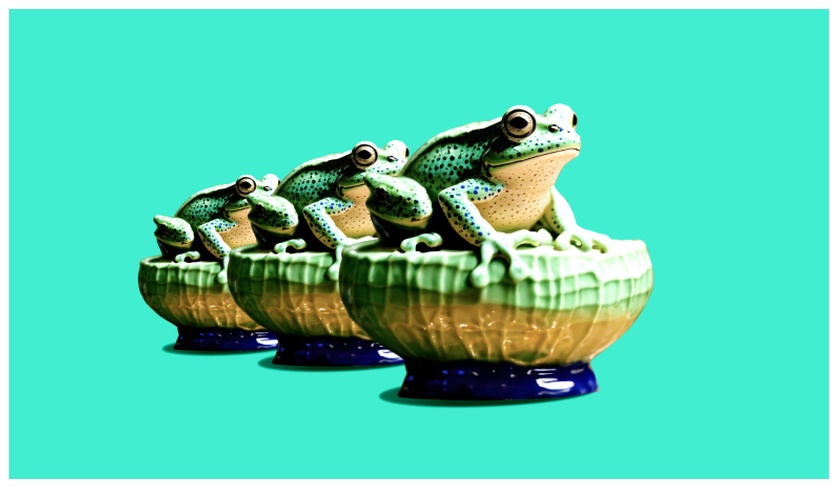
The German expression einen Frosch im Hals haben literally means “to have a frog in the throat.”
- der Leguan – iguana
- der Salamander – salamander
- die Eidechse – lizard
- der Alligator – alligator
- das Krokodil – crocodile
- das Komodowaran – Komodo dragon
- das Chamäleon – chameleon
Die Meerestiere: Sea creatures in German
The ocean’s mysterious depths are home to a diverse array of animal species. Below are the German names for just a selection of these fascinating creatures.
- die Krabbe – crab
- der Hummer – lobster
- die Auster – oyster
- die Venusmuschel – clam
- die Krevette – shrimp
- die Garnele – prawn
- der Dorsch – codfish
- der Lachs – salmon
- die Sardelle – anchovy
- der Wels – catfish
- der Stachelrochen – stingray
- der Clownfisch – clownfish
A clownfish is also called an Anemonenfisch in German because of the close relationship between clownfish and anemones.
- die Seeanemone – sea anemone
- die Koralle – coral
- der Seestern – starfish
- die Meeresschildkröte – sea turtle
- der Wal – whale
- der Hai – shark
- der Krake – octopus
- die Qualle – jellyfish
- der Tintenfisch – squid (ink fish)
- der Barrakuda – barracuda
- der Seeigel – sea urchin (sea hedgehog)
- der Aal – eel
- das Seepferdchen – seahorse
- die Seekuh – manatee (sea cow)
- der Delfin – dolphin
Semiaquatic creatures live partly on land and partly in the water. Zum Beispiel (for example):
- der Seelöwe – sea lion
- das Schnabeltier – platypus (beak animal)
- der Seeotter – sea otter
- das Walross – walrus
Final tips for learning German animal names
As you begin to learn German animal names, consider incorporating them into your everyday life. A fantastic way to practice is by exploring German children’s books, which feature these names prominently. German fairy tales, in particular, are filled with delightful animal characters, making them an engaging resource for language learners.
Engage your language exchange partners by discussing animals, a fun and relatable topic! If you’re not quite ready for a full conversation, consider working with a qualified German tutor. A good tutor can help boost your confidence and provide personalized support. You can focus on conversation practice, grammar, and pronunciation refinement tailored to your learning goals. With one-on-one guidance, you’ll find that mastering the German language is well within your grasp!
Frequently Asked Questions
What is the significance of learning animal names in German?
Learning animal names in German can enrich conversations about travel and culture, enhancing your language skills.
What are some common pets in German?
Common pets in German include die Katze (cat), der Hund (dog), and das Kätzchen (kitten).
What does ‘Nutztiere’ mean in German?
‘Nutztiere’ translates to ‘use animals’ and refers to farm animals in German.
How can I practice German animal names?
You can practice German animal names by exploring German children’s books and engaging in conversations about animals.
What is the German expression for ‘to cry wolf’?
In German, the equivalent expression is ‘blinden Alarm schlagen,’ meaning ‘to sound the alarm blindly’.


