- The differences between English and Japanese punctuation
- List and explanation of Japanese punctuation marks
- The history and origin of punctuation in the Japanese language
- The modern usage of Western punctuation marks in Japanese
- How to use Japanese punctuation in writing
- Examples of Japanese punctuation in action
- Kuten (。)
- Tōten (、)
- Chōonpu (ー)
- Quotation marks
- Dashes and hyphens
- Brackets
- Understanding Japanese punctuation can help you with reading and writing
- Frequently Asked Questions
- What is the importance of punctuation in learning Japanese?
- What are the main punctuation marks used in Japanese?
- How does Japanese punctuation differ from English punctuation?
- Can Western punctuation marks be used in Japanese writing?
- What are common mistakes learners make with Japanese punctuation?
Learning a new language involves grasping fundamental grammar and vocabulary, and Japanese is no different. However, one key element that many learners tend to overlook is punctuation. Understanding punctuation is essential to mastering any language, as it can significantly impact meaning and clarity.
Mastering reading and writing in Japanese can be quite a challenge due to its complex writing system, which includes thousands of characters across three scripts: hiragana, katakana, and kanji. To read a newspaper, familiarity with all these characters is essential. Just like in any language, Japanese punctuation plays a crucial role in enhancing sentence clarity. By grasping punctuation rules, you can significantly ease the process of navigating the intricacies of Japanese text.
In this article, we’ll explore the fascinating world of Japanese punctuation, highlighting its unique features compared to English punctuation. We’ll also provide real-life examples to illustrate these differences, making it easier for you to understand and appreciate this vital aspect of the Japanese language.
The differences between English and Japanese punctuation
English and Japanese punctuation share some similarities that enhance clarity in writing. In English, periods and commas are used to separate sentences and clauses, performing essential roles in sentence structure. Similarly, Japanese employs the kuten (。) for periods and the tōten (、) for commas, serving the same purpose of clarifying sentence organization.
However, language learners often encounter notable differences that can lead to confusion. A key distinction is the lack of specific punctuation marks in Japanese that are frequently used in English. Notably, Japanese does not feature equivalents for the semicolon or colon, which can pose challenges for those transitioning between the two languages.
List and explanation of Japanese punctuation marks
Let’s examine some of the key Japanese punctuation marks and how to use them:
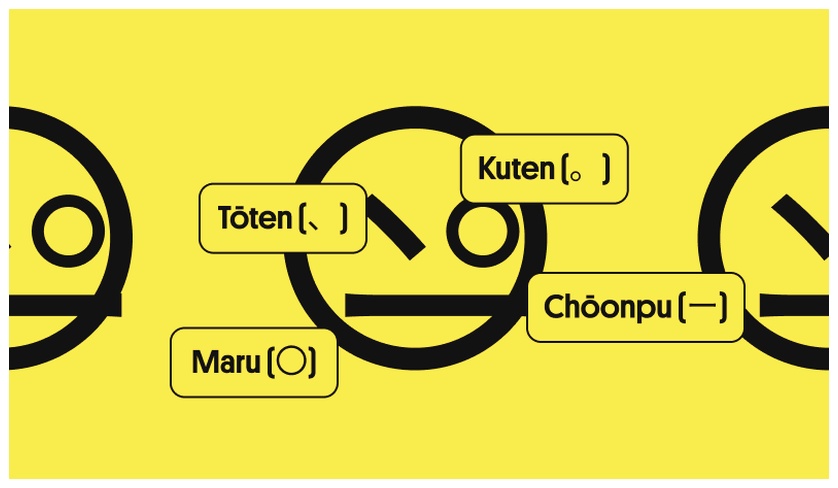
- Kuten (。) and tōten (、): These punctuation marks function like the period and comma in English, used to separate sentences and clauses effectively.
- Chōonpu (ー): This mark shows long vowel sounds in katakana writing. It’s a very common punctuation in loanwords.
- Maru (〇): The maru is used as a placeholder or bullet point in lists.
Japanese punctuation includes unique quotation marks, brackets, and exclamation points that differ in both form and function from their English equivalents. The Japanese quotation marks resemble corner brackets (「」) and are commonly used to highlight dialogue or quoted text. Additionally, the Japanese exclamation mark conveys surprise or admiration, in contrast to English, where it often indicates excitement or anger.
The history and origin of punctuation in the Japanese language
The history of punctuation in Japanese is fascinating and spans thousands of years. It originally drew inspiration from the Chinese writing system, but over time, these marks have adapted to better serve the unique requirements of the Japanese language.
Today, the integration of Western punctuation marks into Japanese writing creates a fascinating fusion of traditional and contemporary styles. Japanese authors now seamlessly combine classic punctuation with Western-style quotation marks and brackets. Let’s explore this intriguing phenomenon further.
The modern usage of Western punctuation marks in Japanese
The Japanese language has embraced various Western punctuation marks, blending them seamlessly with its traditional symbols. Let’s explore how these Western punctuation marks are utilized in contemporary Japanese writing:
- **Japanese Punctuation Practices:** In addition to traditional kuten and tōten, Japanese writers frequently utilize Western-style periods and commas, particularly in informal writing and digital communications.
- Quotation Marks: In contemporary Japanese writing—such as literature, magazines, and online content—Western-style quotation marks are frequently used alongside traditional Japanese corner brackets.
- **Dashes and Hyphens in Japanese:** In Japanese, dashes and hyphens are used to connect related ideas or indicate a range, much like in English.
- Brackets: Brackets in Japanese writing provide additional information or clarification, just like in English.
How to use Japanese punctuation in writing
Proper punctuation is crucial in Japanese writing, so here are some rules and guidelines to keep in mind:
- Placement of punctuation marks: In Japanese, punctuation marks go outside of the quotation marks, which is the opposite of English.
- **Punctuation Impact on Tone and Meaning:** The selection and placement of punctuation greatly influence a sentence’s tone and meaning. For instance, opting for a colon instead of an exclamation point can enhance a sentence’s formality.
- **Common Mistakes in Language Learning: Overusing Punctuation**
Language learners often misuse punctuation, particularly the exclamation point. In Japanese, it’s important to use these marks sparingly to maintain a formal tone and avoid sounding overly emotional.
Examples of Japanese punctuation in action
To illustrate the concepts above, let’s examine some example sentences that show how Japanese punctuation works.
Kuten (。)
私は日本語を勉強しています。あなたも勉強しますか。
- English: I am studying Japanese. Are you studying too?
- Explanation: The sentences end with the kuten (。) even when the sentence is a question.
Tōten (、)
明日の持ち物は、筆記用具、昼食、現金です。
- English: Tomorrow, please bring stationery, your lunch, and some cash.
- Explanation: The tōten separates items in a list.
The tōten, like the comma in English, has many uses in Japanese, such as:
- After items in a list.
- After conjunctions.
- To add emphasis.
- To make longer sentences easier to understand.
Chōonpu (ー)
タクシーに乗ります。
- English: I’ll get a taxi.
- Explanation: The chōonpu shows the final vowel of タクシー is a long vowel sound.
Quotation marks
彼は「Hello!」と言いました。
- English: He said “Hello!”
- Explanation: The quotation marks show the spoken words, similar to how you use them in English.
Dashes and hyphens
2022年1月-3月
- English: January – March 2022.
- Explanation: The dash indicates a range of time, similar to its usage in English.
Brackets
彼女は英語(えいご)を話せます。
- English: She can speak English.
- Explanation: The brackets provide the reading of the characters “英語” (eigo), which means “English.”
Understanding Japanese punctuation can help you with reading and writing
Mastering the Japanese language, both reading and writing, can be tough, but it’s definitely achievable! We recommend combining self-study with expert guidance from an online tutor at LingualNeeds. Engaging with a local speaker can further enrich your understanding of intricate Japanese grammar and deepen your appreciation of the culture.
Frequently Asked Questions
What is the importance of punctuation in learning Japanese?
Understanding punctuation is essential to mastering any language, as it can significantly impact meaning and clarity.
What are the main punctuation marks used in Japanese?
Key Japanese punctuation marks include kuten (。) for periods, tōten (、) for commas, chōonpu (ー) for long vowel sounds, and maru (〇) as a placeholder or bullet point.
How does Japanese punctuation differ from English punctuation?
Japanese punctuation lacks specific marks like the semicolon and colon, and punctuation marks are placed outside quotation marks, which is the opposite of English.
Can Western punctuation marks be used in Japanese writing?
Yes, contemporary Japanese writing frequently utilizes Western-style punctuation marks alongside traditional symbols, especially in informal writing and digital communications.
What are common mistakes learners make with Japanese punctuation?
Language learners often misuse punctuation by overusing marks like the exclamation point, which can lead to overly emotional tone.