
- 90-day method by polyglot Olly Richards
- Read in Spanish (even as a beginner)
- Spend time on grammar
- Conjugations
- Sentence structure
- Masculine & Feminine Nouns
- Listen to Spanish podcasts and music
- Focus on pronunciation
- Watch Spanish TV and Movies
- Choose a series or movie that interests you
- Start small
- Identify new words and phrases
- Skip the English subtitles
- Have conversations: Go beyond “¿como estas?”
- Use apps and social media
- SpanishPod101
- Butterfly Spanish
- Easy Spanish
- Immerse yourself
- The best way to learn Spanish on your own? It is up to you
- Frequently Asked Questions
- What is the 90-day method for learning Spanish?
- How can reading help in learning Spanish?
- Why is grammar important when learning Spanish?
- What role do podcasts and music play in learning Spanish?
- How can social media and apps aid in learning Spanish?
Have you ever found yourself thinking, “I’d love to learn Spanish”? Once, twice, or perhaps countless times? While the desire to learn a new language is simple, the challenge lies in actually making it happen.
In this article, we’ve outlined the most effective strategies for learning Spanish independently. With these eight practical techniques, you can leave behind any doubts about where to begin and dive right into achieving your Spanish language goals.
So, what are you waiting for? Keep reading to learn more or discover online Spanish classes on LingualNeeds.
90-day method by polyglot Olly Richards
While achieving fluency in a foreign language is a significant commitment that requires time and effort, reaching a conversational level can be surprisingly attainable in a short period. Olly Richards, a renowned polyglot, asserts that with the right approach, you can progress from minimal language skills to having in-depth conversations in as little as 90 days.
Richards’ 90-day plan for achieving conversational fluency in a new language is structured around three key phases: comprehensible input, output, and immersion. To help learners accelerate their progress, he includes practical tips for quickly mastering a language.
- **Comprehensible Input (Days 0-30)**: Focus on consuming target language content that is slightly above your current level. This strategy helps you absorb practical vocabulary and grammar, enhancing your familiarity with the language.
- **Output (Days 31-60):** Start speaking your chosen language, even if it feels uncomfortable. Engage with tutors, language exchange partners, or friends to practice what you’ve learned, and use mistakes as opportunities for improvement.
- **Immersion (Days 61-90):** In the final phase, fully immerse yourself in your target language. This could involve traveling to a country where the language is spoken or simply adjusting your phone’s language settings. By integrating the language into your daily life, you can enhance your proficiency significantly.
Read in Spanish (even as a beginner)
A great way to kickstart your independent journey in learning Spanish is by diving into reading. But don’t worry—you don’t have to tackle a challenging, untranslated classic like Don Quixote right away!
To kickstart your Spanish learning journey, focus on short and straightforward dialogues and stories. Consider using beginner Spanish textbooks or news articles for accessible content. Children’s stories can also be excellent resources, offering engaging narratives that make self-study enjoyable and effective.
To enhance your motivation to study, focus your reading on topics you genuinely enjoy discussing, such as hobbies, sports, and personal interests. Engaging with familiar subjects not only deepens your understanding but also sparks your desire to learn more. If your aim is to converse with others in Spanish, immersing yourself in the things you’re passionate about will equip you with the vocabulary and confidence to share your enthusiasm.
Spend time on grammar
As you immerse yourself in Spanish reading, you’ll start to recognize distinct grammar patterns and commonly used sentence structures. This intuitive learning is incredibly valuable, but you can boost your fluency even more by actively revisiting essential Spanish grammar rules.
We suggest dividing your study time among various skills, with at least 30% dedicated to grammar in the initial months. Rather than overwhelming yourself with everything at once, focus on the essential Spanish grammar needed for basic conversations. For instance:
Conjugations
One of the key pillars of mastering Spanish grammar is understanding verb conjugation. This skill enables you to identify who is performing an action (the subject) and when it occurs (the tense). While it can be daunting, approach it gradually. Begin with the present tense, then progress to the past tense. If you’re unsure where to begin, be sure to explore this comprehensive guide to Spanish conjugations.
Sentence structure
Like English, the typical word order for Spanish sentences is subject + verb + object.
E.g: I (subject) + eat (verb) + apples (object).
However, there are several differences with Spanish syntax. For example, direct and indirect object pronouns come before verbs.
E.g: Me lo dan (Me it they give) = They give it to me.
Overall, Spanish sentence structure is more flexible, and exploring how it works can quickly improve your proficiency.
While you read, pay special attention to the most frequently used Spanish words, such as el, la, de, que, and y. By mastering these key terms, you can grasp about 50% of the text’s meaning. Enhance your vocabulary further by pinpointing unfamiliar words or phrases, researching their definitions, and recording them in flashcards or a language journal. Afterward, revisit the text to see how much your understanding has improved!
Masculine & Feminine Nouns
As a Romance language, every noun in Spanish is assigned a gender. For example:
“mesa” (table) is feminine, “jugo” (juice) is masculine.
What’s more, the articles, pronouns, and/or adjectives that correspond to that noun must also match its gender. For example:
la mesa (the table), el jugo (the juice).
Learning how these nouns and their counterparts work goes a long way in helping you understand the Spanish language.

Listen to Spanish podcasts and music
In addition to reading, immersing yourself in Spanish music and podcasts is an excellent way to enhance your Spanish skills at home. While podcasts are a relatively new resource for language learners, they have quickly proven their value. They not only introduce you to the natural rhythm of the language but also feature authentic phrases and engaging content that make learning enjoyable.
You can easily incorporate Spanish learning into your daily routine by tuning into a podcast while doing chores or enjoying a stroll. A great strategy is to listen to the entire episode first, jot down any unfamiliar words, summarize the main ideas, and then listen again for better retention. Give these six podcasts a try to enhance your Spanish skills!
If you’re passionate about music, why not combine your love for it with learning Spanish? You can tune into a local Spanish radio station or explore a curated Spanish music playlist on Spotify. As you listen, the lyrics will introduce you to everyday idioms and fascinating expressions, making your language learning experience both enjoyable and effective.
The catchy repetition found in songs makes it easy to remember phrases, embedding them in your mind. Spanish music offers a vibrant array of genres, so whether you prefer rock, pop, or hip hop, there’s an artist that will resonate with you. Soon enough, you’ll be belting out Spanish tunes in the shower!
Focus on pronunciation
When you first listen to spoken Spanish, it may seem like a continuous, fast-paced stream of words. However, by familiarizing yourself with Spanish sounds and the alphabet, you can significantly enhance your listening skills and pronunciation. This knowledge will help you identify distinct sounds, separate individual words, and ultimately grasp what native speakers are saying.
Mastering Spanish not only enhances your vocabulary and grammar but also significantly boosts your pronunciation skills. A clear accent is crucial for effective communication; even if you have a strong grasp of the language, poor pronunciation can hinder understanding among native speakers. Prioritizing pronunciation early in your learning journey can save you from the challenges of unlearning bad habits later on.
Author Gabriel Wyner said in his 2014 book, Fluent Forever:
As we master a language’s sounds, our ears sharpen to recognize them, which accelerates our ability to acquire vocabulary, understand spoken language, and improve our speaking skills.
To enhance your Spanish accent, consider collaborating with expert Spanish tutors, engaging in language exchange with native speakers for valuable feedback, and utilizing voice recognition technology to assess your progress. Additionally, recording your speech and comparing it to native audio can provide insightful self-assessment. Whichever method you choose, prioritizing Spanish pronunciation will lead to significant improvements and rewards in your language journey.
Watch Spanish TV and Movies
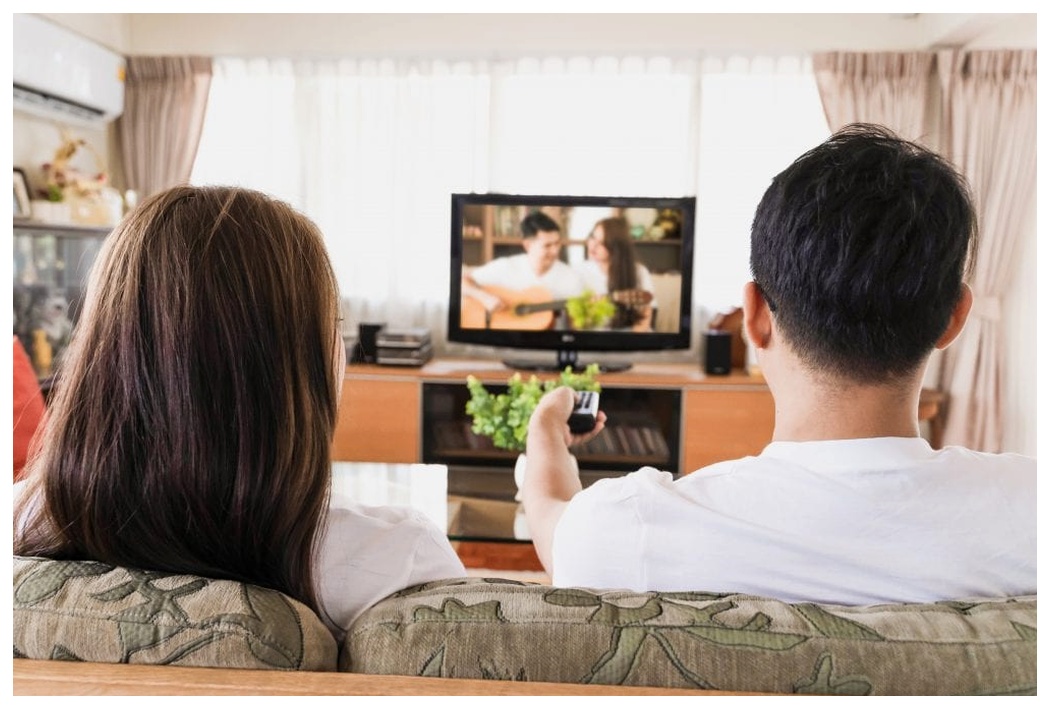
If you’re considering how to teach yourself Spanish, immersing yourself in Spanish TV shows and movies can be incredibly beneficial. Not only do they provide similar advantages to listening to Spanish podcasts and music, but they also allow you to grasp the meaning of words and phrases through context, mimicking the natural flow of conversation. This approach can enhance your understanding and retention of the language in a fun and engaging way.
Actors use body language, facial expressions, and hand gestures to enhance your understanding of their dialogue. For instance, when an actor points to a person or an object, it helps you connect their words to the intended meaning, making the scene more engaging and easier to comprehend.
Here are a few tips for making the most of your time in front of the television:
Choose a series or movie that interests you
If you’re in the mood for some drama, consider diving into a Spanish novella (soap opera) that will keep you hooked. Alternatively, if you want to broaden your horizons, tune into CNN en Español for the latest global news. Just be sure to choose something that captivates your interest!
Start small
Start your viewing journey with short videos, like YouTube clips, to ease into the experience. Gradually progress to TV episodes before tackling full-length movies. Diving straight into a two-hour film can lead to distractions or even boredom, making it harder to stay engaged.
Identify new words and phrases
Select vocabulary that you found particularly useful from the show and make a note of it for further study. Consider keeping these words in a language journal or inputting them into a study app for easy access and review later.
Skip the English subtitles
Watching Spanish movies or TV shows with English subtitles can lead to hours of reading in English, which doesn’t help you immerse yourself in the language. Instead, try watching the content without any subtitles the first time to fully engage with the Spanish. Then, add Spanish subtitles for a clearer understanding. Finally, revisit the show or movie without any subtitles to test your comprehension and see how much you’ve improved!
Have conversations: Go beyond “¿como estas?”
Practicing conversation is crucial when learning Spanish—or any language. A recent study revealed that engaging in dialogue with others not only boosts your speaking skills but also enhances your listening abilities, vocabulary, and understanding of grammar. Embracing conversation practice can significantly accelerate your language learning journey.
The primary challenge of speaking in a foreign language lies in the need to recall and apply everything you’ve learned to express your thoughts clearly. This process not only enhances your ability to communicate but also reinforces your memory of the language concepts, making it easier to use them in the future.
If you’re eager to learn Spanish, the key is to start speaking from the get-go. A great way to do this is by hiring a Spanish language tutor. On LingualNeeds, you can connect with a native speaker who will not only engage you in conversation but also create tailored lessons to help you enhance your vocabulary, improve your grammar, and refine your pronunciation.
So, study some basic Spanish words and phrases, and try them out in your next class.
Use apps and social media
An effective and enjoyable way to learn Spanish independently is by utilizing websites, apps, and social media platforms focused on the language. These Spanish language apps are particularly beneficial, allowing you to integrate short lessons, interactive games, and engaging exercises into your hectic routine.
When selecting a Spanish learning app, start by identifying the specific skills you want to enhance. This guide highlights the top apps tailored for various aspects of language learning. Whether you’re looking to boost your reading, listening, speaking, writing, vocabulary, or grammar skills, you’ll find the perfect app to suit your needs.
YouTube channels also offer outstanding (and free!) videos to learn Spanish. For instance:
SpanishPod101
SpanishPod101 provides reading practice, learning strategies, listening exercises, pronunciation activities, everyday phrases, and more.
Butterfly Spanish
Butterfly Spanish presents you with informational videos on diverse topics, like verb conjugations, the alphabet, and vocabulary.
Easy Spanish
Easy Spanish is an exciting YouTube channel that immerses you in the Spanish language as it’s spoken in everyday life. Featuring interviews with native speakers, it offers valuable insights into both the language and the rich culture behind it.
While apps and social media may not provide highly personalized instruction or feedback, they are valuable tools that can significantly enrich your journey of learning Spanish.
Immerse yourself
According to Olly Richards, after you’ve spent time absorbing Spanish and practicing your speaking skills, it’s time to elevate your learning experience. To truly enhance your proficiency, immerse yourself in the language through diverse methods and activities.
To start, you can engage even more in the recommended activities above. Beyond that, experiment with these additional tactics:
- Change the language settings on your phone to Spanish
- Label items in your home with Spanish words
- Follow Spanish speakers on social media
- Set your AI assistant to Spanish (e.g., Siri, Alexa, Google)
- Eat at Latin or Spanish restaurants and speak to staff
- Post on social media in Spanish
- Cook meals using recipes in Spanish
- Travel to a Spanish-speaking country
Whichever method you choose, remember that the more you immerse yourself in the Spanish language, the faster you’ll progress in your learning journey.
The best way to learn Spanish on your own? It is up to you
Ultimately, mastering a language is a journey made up of small, meaningful steps that culminate in a remarkable achievement. The key is to embrace the experience and choose methods that resonate with you. By following the straightforward steps we’ve outlined, discovering your personal learning style, and maintaining consistency, you’ll set yourself up for success.
We highly recommend starting your Spanish lessons with a 1-on-1 tutor through LingualNeeds. This personalized approach provides you with regular conversation practice while also offering tailored instruction, expert feedback, and essential strategies to help you reach your language goals efficiently.
Now that you have a solid plan and the resources at your fingertips, it’s time to embark on your journey to mastering Spanish. Start today and watch your skills flourish. ¡Buena suerte! (Good luck!)
Frequently Asked Questions
What is the 90-day method for learning Spanish?
The 90-day method by Olly Richards involves three phases: comprehensible input (days 0-30), output (days 31-60), and immersion (days 61-90), aimed at helping learners achieve conversational fluency.
How can reading help in learning Spanish?
Reading in Spanish, even as a beginner, allows learners to engage with simple dialogues and stories, enhancing vocabulary and grammar understanding while making self-study enjoyable.
Why is grammar important when learning Spanish?
Grammar is crucial as it helps learners understand sentence structures and verb conjugations, which are essential for forming correct sentences and improving overall fluency.
What role do podcasts and music play in learning Spanish?
Podcasts and music expose learners to the natural rhythm of the language, introduce authentic phrases, and make learning engaging, thus enhancing listening skills and vocabulary retention.
How can social media and apps aid in learning Spanish?
Social media and language learning apps provide interactive lessons, exercises, and exposure to the language in a fun way, making them valuable tools for independent language learning.


