- Top 10 Portuguese animal names
- Meet your furry friends: a guide to domestic animals names in Portuguese
- Exploring the pastoral side: farm animals names in Portuguese
- Beneath the waves: discovering sea life in Portuguese
- Insects: a buzzing world below
- Exotic animals in Portuguese
- Pronounce like a native: tips for tackling Portuguese animal names
- Exploring everyday Portuguese: animal expressions in context
- Conclusion
- Frequently Asked Questions
- What are some effective tips for crafting a study plan for language learning?
- What are the top ten animal names in Portuguese?
- What are some common domestic animal names in Portuguese?
- What are some interesting expressions in Portuguese that include animal names?
- How does the article highlight the significance of biodiversity in Portuguese-speaking regions?
From the vibrant Amazon Rainforest to the diverse biomes of Portugal, Angola, Mozambique, and Cape Verde, Portuguese-speaking regions are a treasure trove of biodiversity. Notable ecosystems such as the Amazon, Cerrado, Atlantic Forest, Pantanal, Pampa, and Caatinga teem with life, supporting an astonishing array of over 125,000 animal species. This rich tapestry of flora and fauna highlights the ecological significance of these landscapes.
Why not embark on an exciting journey into the world of Portuguese by mastering animal names? Allow the fascinating creatures from various Portuguese-speaking regions to lead you through this enriching language-learning experience. Discover the wonders of wildlife while immersing yourself in the beauty of the Portuguese language—an adventure full of discovery awaits you!
Top 10 Portuguese animal names
As we delve into the fascinating world of Portuguese wildlife, let’s explore ten notable animal names that reflect the cultural and natural heritage of the language. The list below not only highlights these creatures but also showcases their importance in Portuguese-speaking cultures.
1. Parrot (Papagaio)
Brazil boasts an impressive diversity of 13 parrot species, with the Blue-fronted parrot, known as “papagaio-verdadeiro,” being the most prevalent, ranging from the northeast to the south of the country. In Portuguese, these vibrant birds are lovingly referred to as Loro or Louro, reflecting their popularity; they even serve as the mascot for a well-loved morning television program in Brazil.
2. Cat (Gato)
Cats are beloved worldwide, and in Brazil alone, they bring joy to 34 million households, as reported by Euromonitor. In Brazilian Portuguese, mixed-breed cats are affectionately known as “vira-latas.”
3. Jaguar (Onça-pintada)
The jaguar, the largest cat species in the Americas, spans a vast range from Mexico to several countries in South America. In Brazil, these magnificent creatures flourish in a variety of habitats, such as the lush Amazon rainforest, the vibrant Atlantic Forest, the expansive Pantanal wetlands, and the unique Cerrado savanna.
4. Armadillo (Tatu)
Meet the “tatu,” nature’s remarkable armored creature! This resilient and adaptable animal thrives in diverse Brazilian environments. Its charm and uniqueness were so captivating that it was selected as the official mascot for the 2014 FIFA World Cup.
5. Butterfly (Borboleta)
Delicately fluttering into language, the “borboleta” dances with grace, reflecting the fleeting beauty of these colorful insects.
6. Turtle (Tartaruga)
Despite the common term “tartaruga,” Brazilian Portuguese distinguishes between “jabutis” (terrestrial), “cágados” (semi-aquatic), and “tartarugas” (aquatic).
7. Snake (Serpente or Cobra)
Brazil is home to approximately 400 species of snakes, with about 10% of them being venomous. The term “serpente” refers to the snake family, which includes the well-known cobra. Interestingly, in Brazilian Portuguese, “serpente” and “cobra” are often used interchangeably.
8. Toucan (Tucano)
The toucan is a vibrant emblem of Brazil’s wildlife. As it soars through the skies, this colorful bird plays a crucial role in the ecosystem by dispersing seeds from the fruits it eats, helping to cultivate native trees like the embaúba.
9. Capybara (Capivara)
The world’s largest rodents, capybaras, typical in Brazil, are found in Central and South America near rivers and lakes.
10. Pink River Dolphin (Boto-cor-de-rosa)
The pink river dolphin, a fascinating freshwater mammal, inhabits the rivers of the Amazon across several countries, including Brazil, Bolivia, Venezuela, Colombia, Ecuador, and Peru. This unique species is closely related to both whales and oceanic dolphins, showcasing the diverse life found within the Amazon’s waterways.
Meet your furry friends: a guide to domestic animals names in Portuguese
Our journey through language shifts from the untamed wilderness to the cozy confines of home, focusing on our beloved pets. In Portuguese, the names we give these animals carry deep meaning, reflecting the profound connection between humans and their furry companions.
|
Portuguese |
English |
|
Cão, Cachorro (m.) Cachorra (f.) |
Dog |
|
Gato (m.) Gata (f.) |
Cat |
|
Pássaro |
Bird |
|
Peixe |
Fish |
|
Coelho (m.) Coelha (f.) |
Rabbit |
|
Periquito* |
Parakeet |
|
Porquinho da índia |
Guinea pig |
|
Furão |
Ferret |
|
Hamster |
Hamster |
In European Portuguese, the word “periquita” is commonly used to refer to females. However, in the North and Northeast regions of Brazil, this term is viewed as a vulgar reference to female genitalia. To steer clear of any awkwardness, it’s better to use “periquito-macho” for males and “periquito-fêmea” for females.
Exploring the pastoral side: farm animals names in Portuguese
As we venture into the fascinating realm of animals in Portuguese, we can’t ignore the vital role that certain species have played in human exploration throughout history. Specifically, we’re referring to the beloved farm animals that have been our companions for millennia. Join us as we discover the essential creatures that populate our farms!
|
Portuguese |
English |
|
Gado |
Cattle |
|
Vaca |
Cow |
|
Boi |
Ox |
|
Touro |
Bull |
|
Porco |
Pig |
|
Frango (m.) Galinha (f.) |
Chicken |
|
Galo |
Rooster |
|
Cavalo (m.) Égua (f.) |
Horse |
|
Carneiro (m.) Ovelha (f.) |
Sheep |
|
Bode (m.) Cabra (f.) |
Goat |
|
Cordeiro |
Lamb |
|
Pato (m.) Pata (f.) |
Duck |
|
Peru (m.)* Female (f.) |
Turkey |
|
Ganso (m.) Gansa (f.) |
Goose |
|
Abelha |
Bee |
|
Burro (m.)** Mula (f.) |
Donkey |
It’s interesting to note that in Brazil, the word “peru” is commonly used as a lighthearted and non-offensive slang for the male genitalia.
The terms “burro” (with the feminine form “burra”) and “mula” are often used to describe someone who lacks intelligence or is perceived as dim-witted.
Beneath the waves: discovering sea life in Portuguese
Embark on an exciting journey through the rich vocabulary of Portuguese as we delve into the captivating underwater realm. Discover the colorful coral reefs and the intriguing mysteries of the ocean’s depths while learning the names of fascinating sea creatures. Join us in this aquatic adventure!
|
Portuguese |
English |
|
Peixe |
Fish |
|
Tubarão |
Shark |
|
Golfinho |
Dolphin |
|
Tartaruga-marinha |
Sea turtle |
|
Polvo |
Octopus |
|
Lagosta |
Lobster |
|
Baleia |
Whale |
|
Estrela-do-mar |
Starfish |
|
Cavalo-marinho |
Seahorse |
|
Caranguejo |
Crab |
|
Água-viva |
Jellyfish |
|
Lula |
Squid |
|
Camarão |
Shrimp |
|
Raia |
Ray |
|
Carpa |
Koi Carp |
|
Peixe-palhaço |
Clownfish |
|
Foca |
Seal |
|
Leão-marinho |
Sea Lion |
|
Sardinha |
Sardine |
|
Mexilhão |
Mussel |
|
Concha |
Shell |
Insects: a buzzing world below
Immerse yourself in the melodic beauty of Portuguese as we explore the fascinating world of insects—nature’s tiny architects and essential pollinators. From the hardworking ants to the graceful butterflies, let’s uncover the mysteries of the vibrant ecosystem right beneath our feet. Join us on this journey to reveal the intricate connections between language and the natural world, where every layer tells a story.
|
Portuguese |
English |
|
Formiga |
Ant |
|
Abelha |
Bee |
|
Borboleta |
Butterfly |
|
Besouro |
Beetle |
|
Mosquito |
Mosquito |
|
Libélula |
Dragonfly |
|
Joaninha |
Ladybug |
|
Louva-a-Deus |
Praying mantis |
|
Mosca |
Fly |
|
Barata |
Cockroach |
|
Gafanhoto |
Grasshopper |
|
Vespa |
Wasp |
|
Mariposa |
Moth |
|
Cigarra |
Cicada |
|
Pulga |
Flea |
|
Percevejo |
Bedbug |
|
Cupim |
Termite |
|
Marimbondo |
Hornet |
Did you know that certain indigenous tribes in the Amazon include ants in their diet? Leafcutter ants, known as “saúvas,” and maniwara ants are popular culinary choices among these communities.
Exotic animals in Portuguese
Certain species are unique to specific regions of the world, known as endemic species. These organisms typically evolve from a common ancestor found elsewhere, gradually developing distinctive traits that allow them to thrive in their particular environments. For instance, the polar bear is exclusively adapted to the frigid landscapes of the northern hemisphere, while the lemur is a fascinating example of endemism, found only in Madagascar.
The Amazon Rainforest is a treasure trove of biodiversity, hosting an astonishing 40% of its mammal species that are found nowhere else on Earth, including 15% that are primates. This rich ecosystem also features 183 unique amphibian species and an impressive 160 distinct bird species, highlighting its vital role in global wildlife conservation.
This chapter explores the fascinating world of species that are unique to Brazil, as well as those that, despite their global presence, have become emblematic of Brazilian wildlife. Many of these animals are considered exotic by people in the Northern Hemisphere, highlighting Brazil’s rich biodiversity and its significance in the animal kingdom.
Dive into the fascinating realm of Brazil’s unique wildlife! Even if some of these creatures are unfamiliar to you, you’re not alone—many Brazilians are still discovering them. Join us on an exciting journey as we explore the hidden gems of Brazilian biodiversity and uncover the intriguing Portuguese names of these mysterious animals.
|
Portuguese |
English |
|
Anta |
Tapir |
|
Arara Vermelha |
Scarlet macaw |
|
Ariranha |
Giant otter |
|
Boto cor-de-rosa |
Pink river dolphin |
|
Garça-real |
Capped heron |
|
Jacaré-açu |
Black caiman |
|
Jacaretinga |
Spectacled caiman |
|
Onça-pintada |
Jaguar |
|
Peixe-boi-da-Amazônia |
Amazonian manatee |
|
Sucuri-verde |
Green anaconda |
|
Suçuarana |
Cougar |
|
Surucucu |
Bushmaster snake |
|
Mico-leão-dourado |
Golden lion tamarin |
|
Guaruba or Ararajuba |
Golden parakeet |
|
Tatu-bola |
Armadillo |
|
Arara-azul-de-Lear |
Lear’s macaw |
|
Ouriço preto |
Black-eared hedgehog |
|
Caranguejeira-rosa-salmão-brasileira |
Brazilian salmon pink birdeater |
|
Caranguejo-amarelo |
Yellow crab |
|
Guariba-de-mãos-ruivas |
Red-handed howler monkey |
|
Cuxiú-preto |
Black bearded saki |
|
Uacari-branco |
White uakari |
Now let’s move on to the names of other animals in Portuguese that can be considered exotic.
|
Portuguese |
English |
|
Camaleão |
Chameleon |
|
Bicho-preguiça |
Sloth |
|
Ornitorrinco |
Platypus |
|
Canguru |
Kangaroo |
|
Suricato |
Meerkat |
|
Pavão |
Peacock |
|
Tigre-siberiano |
Siberian tiger |
|
Panda |
Panda |
|
Zebra |
Zebra |
|
Coala |
Koala |
|
Girafa |
Giraffe |
|
Lince |
Lynx |
|
Hipopótamo |
Hippopotamus |
|
Dragão-de-Komodo |
Komodo gragon |
|
Tamanduá-bandeira |
Giant Anteater |
|
Lhama |
Llama |
|
Gnu |
Wildebeest |
|
Chita |
Cheetah |
|
Pinguim |
Penguin |
|
Tigre-de-bengala |
Bengal tiger |
|
Lêmure |
Lemur |
|
Camundongo |
Mouse Lemur |
Pronounce like a native: tips for tackling Portuguese animal names
Here are some useful tips for you to pronounce the names of these animals in Portuguese like a native:
- The letter “ç” in the Portuguese alphabet produces a “ss” sound, similar to that in “Mississippi.”
- The “ão” is a nasal diphthong found at the end of certain Portuguese words, producing a distinct sound that can be difficult for non-native speakers to pronounce, as it doesn’t exist in English. To practice, listen to the song “Drão” by Gilberto Gil.

Exploring everyday Portuguese: animal expressions in context
Knowing the names of animals in Portuguese is just the beginning; the real challenge lies in using them in everyday conversations. Linguistic expressions provide a fantastic opportunity to truly understand and embrace the language. Portuguese is deeply enriched with colorful phrases that incorporate animal names. Are you ready to dive into some of the most frequently used expressions by native Brazilian Portuguese speakers? Let’s explore!
1. Matar dois coelhos com uma cajadada só
Literal translation: To kill two birds with one stone.
Meaning: Achieving two objectives with a single action.
2. Engolir sapos
Literal translation: To swallow frogs.
Meaning: Enduring unpleasant situations or accepting things reluctantly.
3. Colocar a carroça na frente dos bois
Literal translation: To put the cart in front of the oxen.
Meaning: Doing things in the wrong order or getting ahead of oneself.
4. Ficar uma fera
Literal translation: To become a beast.
Meaning: Getting extremely angry or upset.
5. Fulano é uma cobra
Literal translation: So-and-so is a snake.
Meaning: Referring to someone as deceitful or treacherous.
6. Trabalhar como um cão
Literal translation: To work like a dog.
Meaning: Working very hard or tirelessly.
7. Acordar com as galinhas
Literal translation: To wake up with the chickens.
Meaning: Waking up very early in the morning.
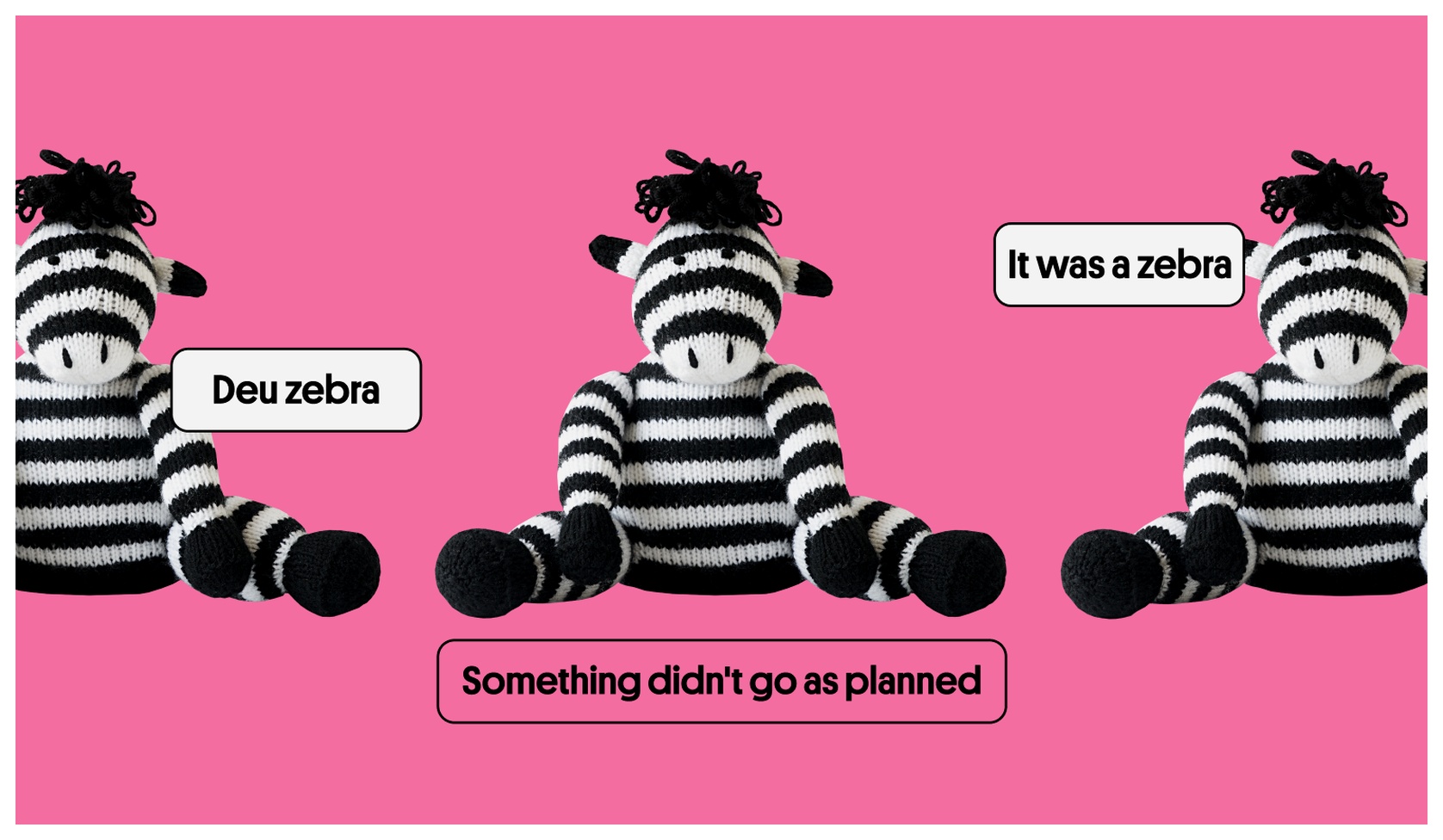
8. Deu zebra
Literal translation: It was a zebra.
Meaning: Something didn’t go as planned.
9. Pagar o pato
Literal translation: To pay the duck.
Meaning: Taking the blame for something, often unfairly.
10. Tirar o cavalinho da chuva
Literal translation: To take the little horse out of the rain.
Meaning: Giving up on something or abandoning a hope or expectation.
11. Amigo-da-onça
Literal translation: Jaguar friend.
Meaning: Referring to a false or unreliable friend.
Need help with how to use Portuguese verbs? Check out our guide to Portuguese conjugation.
Conclusion
Our journey into Portuguese animal names uncovers a vibrant blend of cultural, ecological, and linguistic significance. Each name, from beloved pets to farm animals and unique Brazilian species, tells a distinct story of biodiversity. The Portuguese language breathes life into these names, transforming them into symbols of cultural and ecological understanding. Whether it’s the swift “borboleta” or the powerful “onça-pintada,” each term captures the essence of Brazil’s rich natural heritage. Thank you for joining us in this captivating exploration of animals in Portuguese!
Frequently Asked Questions
What are some effective tips for crafting a study plan for language learning?
Sylvia and Iris share valuable tips that can enhance your language learning journey.
What are the top ten animal names in Portuguese?
The top ten Portuguese animal names include Papagaio (Parrot), Gato (Cat), Onça-pintada (Jaguar), Tatu (Armadillo), and Borboleta (Butterfly), among others.
What are some common domestic animal names in Portuguese?
Common domestic animal names include Cão (Dog), Gato (Cat), Pássaro (Bird), and Peixe (Fish).
What are some interesting expressions in Portuguese that include animal names?
Expressions include ‘Matar dois coelhos com uma cajadada só’ (To kill two birds with one stone) and ‘Trabalhar como um cão’ (To work like a dog).
How does the article highlight the significance of biodiversity in Portuguese-speaking regions?
The article emphasizes the ecological importance of diverse ecosystems such as the Amazon Rainforest, which supports a wide array of wildlife and highlights cultural heritage.