- What is a beginner?
- Tips for teaching English to complete beginners
- Teach relevant and practical content
- Use visual aids and gestures
- Ensure you use repetition
- Choose which mistakes to correct
- Simplify language and give demonstrations
- Beginner lesson ideas and activities
- Activity one: Simple listening
- Activity two: Vanishing whiteboard
- Activity three: Personalize the activity
- Final thoughts
- Frequently Asked Questions
- What defines a true beginner in language learning?
- What is a recommended approach for selecting content for beginner students?
- How can visual aids and gestures enhance teaching beginners?
- Why is repetition important in teaching language to beginners?
- What should tutors consider when correcting students’ mistakes?
Teaching a newcomer to a language can be daunting for both novice and seasoned tutors alike. Yet, with the right techniques and materials at your disposal, you’ll find that beginners can be some of the most fulfilling students to instruct.
Unlock the secrets to teaching English to beginners with our comprehensive guide filled with effective tips and engaging activities for your lessons. By the end of this article, you’ll be fully equipped to embark on your tutoring adventure or broaden your reach by welcoming students who are brand new to the language.
So, let’s get started.
What is a beginner?
Before diving into strategies for teaching English to beginners, it’s essential to clarify who we define as beginners in language learning. A true beginner is someone with no prior exposure to the language, a situation that’s quite uncommon given the widespread use of English around the globe.
As you embark on your teaching journey, you’ll often come across false beginners—students who possess a basic understanding of the language gained from school, media, or self-study. Despite this prior exposure, their knowledge is insufficient, necessitating a fresh start to build a solid foundation.
Tips for teaching English to complete beginners
Getting started with beginners can be challenging, particularly when there’s no shared language for instructions and explanations. In this guide, we’ll explore strategies for selecting relevant lesson content and effectively delivering it to learners, regardless of language barriers.
Teach relevant and practical content
Before diving into methods for teaching English to beginners, it’s essential to determine the content you’ll cover. Selecting appropriate material for your learners is one of the most crucial initial steps in the teaching process.
Many tutors kick off their lessons with lexical sets, covering topics like numbers, animals, or food. While these subjects may appear straightforward, they often fail to resonate with learners. This approach can leave beginners without the essential vocabulary needed to construct sentences and effectively communicate in the language.
Picture someone eager to master English for effective communication with potential clients. Memorizing twenty animal names won’t help them achieve that goal or enable them to construct meaningful sentences. This approach can lead to boredom and a decline in motivation among learners.
When selecting content for beginners, it’s essential to grasp their specific language goals and introduce practical language that can be immediately applied. For instance, a student aiming to learn English for professional purposes would find it far more beneficial to start with essential greetings and introductions. This approach not only boosts their confidence but also equips them with the tools they need from day one.
Engage your beginner students by asking them about their motivations for learning the language. This insight allows you to introduce practical content they can apply right away, such as how to introduce themselves, place an order at a restaurant, or shop effectively. Remember, it’s perfectly fine to use Google Translate during this process to better understand their goals!
Use visual aids and gestures
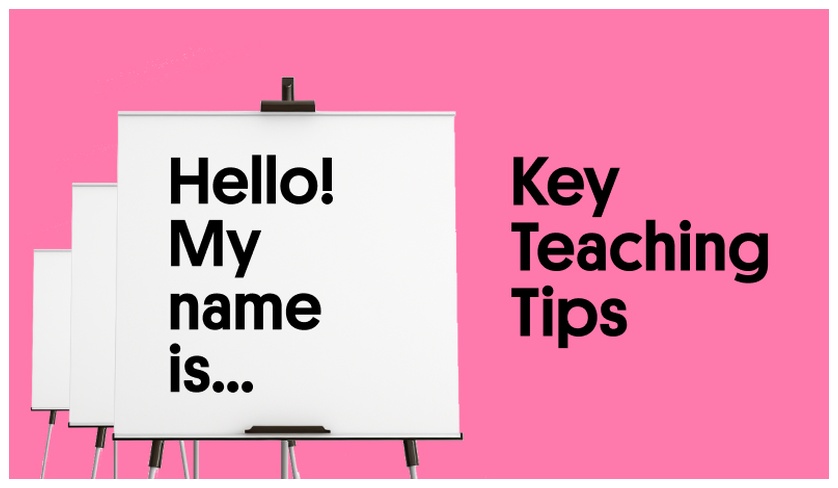
Visual aids and gestures play a crucial role in effective communication, particularly with students who speak different languages. For instance, enhancing the phrase “Hello, my name is…” with an image of a person sporting a name tag while shaking hands provides essential context, making the interaction clearer and more relatable.
Enhance your communication by using gestures to clarify your words—wave when you say “hello” and point to yourself when introducing your name. Before each lesson, take time to plan effective ways to present the target language, incorporating visuals and gestures to ensure your student stays engaged and understands the material.
Searching for images to accompany every new word and phrase can take a lot of time. However, you can streamline this process by utilizing resources you already have. Numerous high-quality textbooks cater to beginners, or you can explore online platforms such as LingualNeeds, which provide comprehensive lesson plans across diverse topics for new learners.
Ensure you use repetition
Most individuals struggle to remember new words and phrases after just one exposure, highlighting the crucial role of repetition in language learning. To enhance retention, provide students ample opportunities to absorb new material by revisiting it several times throughout the lesson.
A fantastic method for enhancing language skills is through drilling or chanting new phrases. This approach not only enables students to practice a phrase repeatedly but also aids in grasping the rhythm of the language and refining their intonation.
Repetition in language learning isn’t just about seeing the same words or phrases over and over. For many beginners, a spiral curriculum can be particularly beneficial. This approach strategically revisits key concepts throughout the lessons, gradually introducing greater depth and complexity, which helps reinforce understanding and retention.
For instance, if you covered basic introductions in a previous lesson, you might follow up with a session on introducing yourself and then introducing a colleague. This approach reinforces earlier material, aiding students in retention while simultaneously introducing fresh concepts.
Choose which mistakes to correct
While it’s important to guide your students in using the language accurately, constantly correcting every mistake can be counterproductive. Beginners often make numerous errors, and focusing too much on corrections may demotivate them and hinder their progress in mastering the lesson’s target language. Instead, aim for a balanced approach that encourages learning without overwhelming them.
Error correction plays a crucial role in language teaching, but it’s important to recognize that you can’t address every mistake. Instead, prioritize correcting errors that relate directly to the lesson’s focus or those that are necessary for ensuring your student’s sentences are clear and comprehensible.
Picture this: you’re teaching a lesson on introductions, and one of your students says, “I do good progress.” Rather than getting caught up in correcting the verb choice between “do” and “make,” you can keep the momentum going and boost their confidence. A simple, supportive response like, “Yes, you’re making good progress,” allows you to address the error seamlessly while maintaining a positive learning environment.
Simplify language and give demonstrations
When communicating with beginners, it’s essential to use clear and straightforward language. Keep your sentences short and grammatically correct, and speak at a measured pace. Steer clear of idioms, phrasal verbs, and vague terms like “a few” to ensure your message is easily understood.
Let’s explore a fun listening activity where students identify the color of a person’s t-shirt. We can tailor our instructions based on each student’s proficiency level. Here’s how we might approach it differently for various learners:
Advanced: Let’s check out the audio and see what she says about David’s shirt.
Intermediate: Listen to this audio. What does the woman say about David’s shirt?
Beginner learner: Listen. What color is David’s shirt?
To enhance understanding for beginners, incorporating gestures or visuals can be incredibly effective. For instance, you might touch your ears while saying “listen,” emphasize the word “color,” and then point to your shirt to illustrate the concept clearly.
A great way to enhance your explanations is by demonstrating the task you want your student to perform. For instance, if they need to match a list of words to images, start by circling the corresponding image for the first word as you explain the process. This visual example can significantly improve their understanding.
Beginner lesson ideas and activities
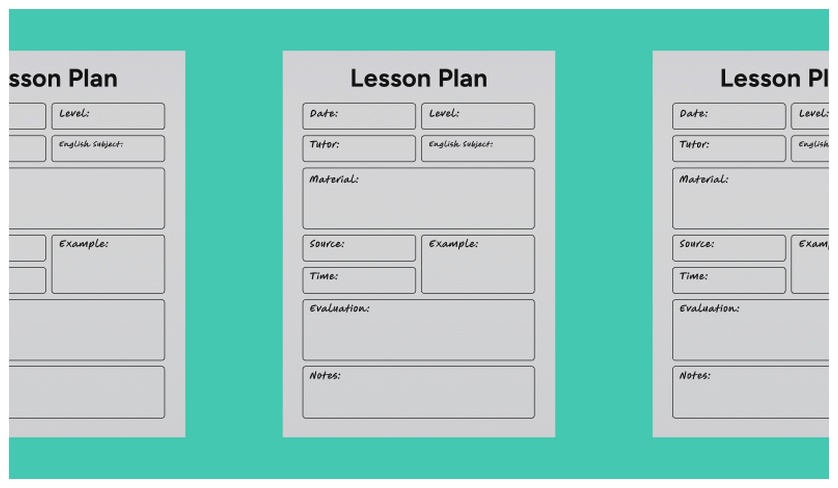
While we’ve explored various tips for teaching beginners, you may still be curious about what a beginner lesson actually entails. To provide clarity, we’ve crafted an example lesson below, showcasing how these tips can be effectively applied in practice.
Activity one: Simple listening
Many tutors hesitate to use listening activities with beginners due to their limited vocabulary. However, audio clips can be a powerful tool for introducing new topics, helping learners become accustomed to the sounds of the language, and enabling them to recognize the few words they already know.
Beginner listening activities are readily available online and in textbooks, but you can enhance your lessons by creating personalized recordings that focus on specific vocabulary and phrases. For instance, if your student aims to learn how to order in restaurants, you might record a straightforward dialogue that demonstrates this scenario:
- Waiter: Hello, what would you like to drink?
- Person: I’d like a Coca-Cola, please.
- Waiter: And what would you like to eat?
- Person: I’d like a hamburger, please.
Enhance the authenticity of your audio by incorporating restaurant sounds in the background. Although your students may not grasp every word in the dialogue, they will likely recognize some key terms and glean meaning from the context, enriching their learning experience.
For instance, present your learners with images of four different locations and ask them to identify where the audio is set. Even if they’re unfamiliar with the term “restaurant,” the context provided should enable them to select the right image, facilitating their understanding and vocabulary development.
Next, present four different drinks and ask the person to identify their order. You can apply the same approach to the meal selection. Activities like these not only enhance listening skills, allowing learners to decipher language despite limited understanding, but also introduce relevant vocabulary and build their confidence.
Activity two: Vanishing whiteboard
Listening activities are a fantastic way to introduce new topics, but beginners often struggle to truly absorb functional language chunks after just a few listens. To enhance retention of useful phrases, consider using the vanishing whiteboard method. This engaging technique helps reinforce learning by gradually removing visual cues, encouraging students to recall and internalize the language more effectively.
Transcribe the dialogue from your audio clip and rehearse it with your learner. While they may grasp only a few words, the accompanying images will provide valuable context. With their limited vocabulary and visual support, they’ll be able to comprehend the purpose of each phrase effectively.
After practicing the phrases, begin masking one word at a time. This technique encourages learners to focus on the components of functional expressions, transforming their understanding from passive recognition to active use. After about fifteen minutes of this exercise, your learner will be able to recall significant portions of the dialogue independently.
Activity three: Personalize the activity
Once you’ve introduced functional language, you can expand your students’ vocabulary by connecting it to the lesson’s theme. A fantastic approach is to encourage learners to personalize the activity, making it more relevant and engaging for them.
For instance, you can present your students with a visually appealing menu featuring a variety of drinks and meals, complete with images next to each item. This allows you to motivate them to personalize the dialogue by swapping out “Coca-Cola” for their favorite beverage and “hamburger” for their preferred dish.
This dynamic activity immerses students in new vocabulary in a personal and relevant context, enhancing retention and making learning enjoyable. By the lesson’s conclusion, your student will gain the confidence to order at a restaurant, an experience that is far more fulfilling than simply memorizing a list of animal names.
Final thoughts
Teaching a new language to beginners can be tough, yet witnessing their quick progress is immensely gratifying. Developing the skills and confidence to instruct newcomers not only enhances your teaching experience but also helps you grow your student base or kickstart your educational career.
We’ve gathered essential tips for teaching beginners and highlighted three engaging activities for new language learners. This is just the beginning of your journey; there’s a wealth of knowledge and strategies still to explore!
Discover a wealth of valuable resources available online to assist you in teaching beginners! From informative articles and engaging webinars to comprehensive teaching courses, many options are completely free. Additionally, consider utilizing online platforms that provide both materials and support, enhancing your teaching experience.
Tutors at LingualNeeds benefit from a rich array of resources, including lesson materials, weekly webinars, and a plethora of courses designed to enhance their teaching skills for beginners. If you’re looking for additional support and guidance in your tutoring journey, consider joining the LingualNeeds team today!
Frequently Asked Questions
What defines a true beginner in language learning?
A true beginner is someone with no prior exposure to the language.
What is a recommended approach for selecting content for beginner students?
Select practical language that aligns with the students’ specific goals, focusing on vocabulary they can immediately apply.
How can visual aids and gestures enhance teaching beginners?
Visual aids and gestures provide essential context, making interactions clearer and more relatable for students.
Why is repetition important in teaching language to beginners?
Repetition helps enhance retention by providing students multiple opportunities to absorb new material throughout the lesson.
What should tutors consider when correcting students’ mistakes?
Tutors should prioritize correcting errors that relate directly to the lesson’s focus and avoid overwhelming students with constant corrections.